Manhole Cover UK
Company
Shop By Category
T&Cs
Shop Online
  • Sized for the common 600 x 450 mm chamber opening. Measure yours first
  • Free tracked delivery across the UK over £60
  • 14-day returns

Recessed Manhole Cover | Screed Manhole Cover | Recessed Inspection Cover

Recessed Manhole Cover and Frame

£123.99 £148.99 Save £25
  • Fills With Your Finish
  • Cover And Frame
  • Still Fully Liftable
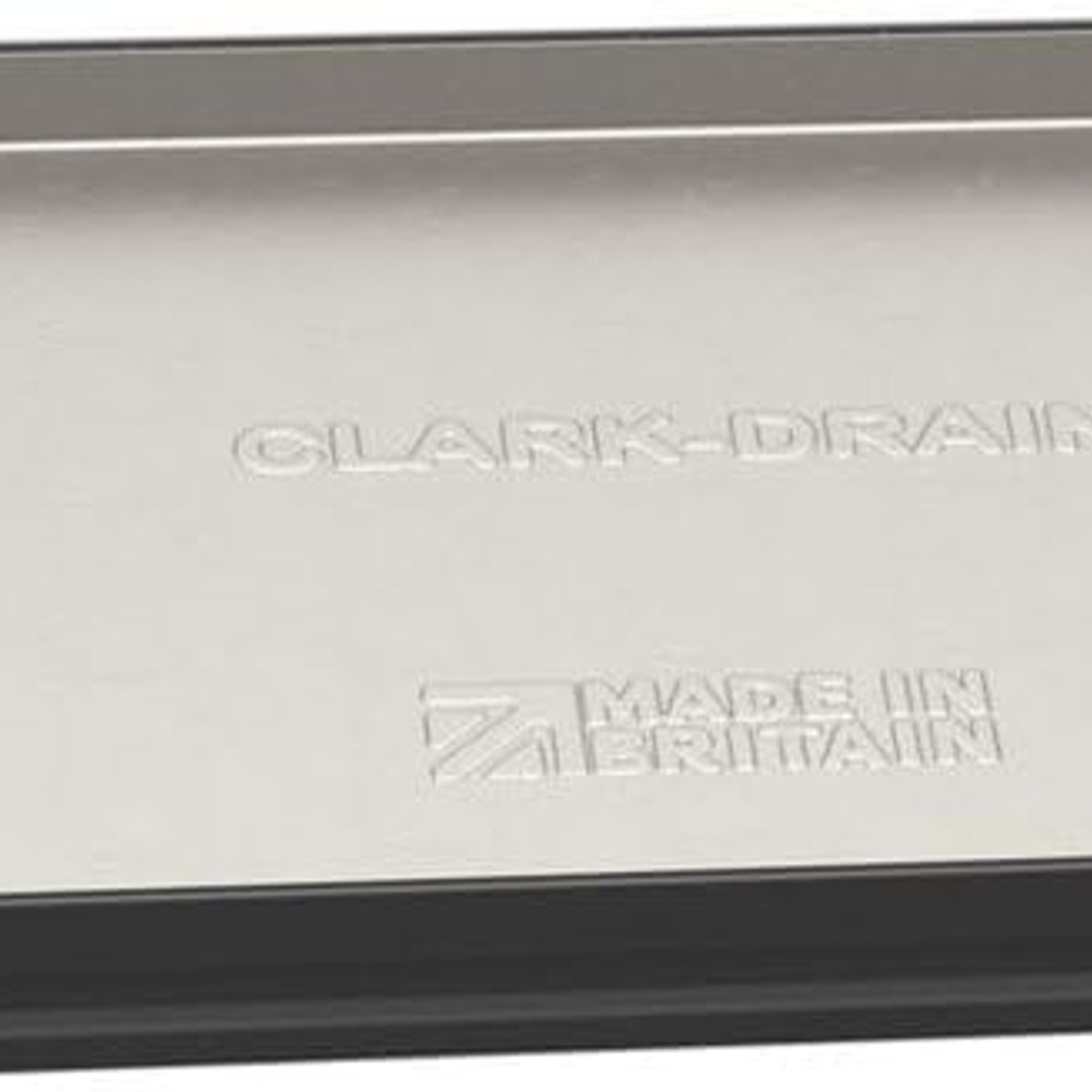
  • 74 x 59 x 5.8 cm

Price: £123.99 £148.99

  • Free tracked delivery across the UK on orders £60+, otherwise a flat £6.95
  • Pay by card or PayPal, handled by the payment provider
  • 14 days to change your mind, plus your statutory rights
Product specifications
ManufacturerClark-Drain
Part NumberCLKS 790R / 46
Manufacturer ReferenceCLKS 790R / 46
Product Dimensions74 x 59 x 5.8 cm
Item Weight9.28 kg
Product TypeRecessed manhole cover and frame
ConditionNew
Batteries IncludedNo
Weight9.28 kg
Shipping & returns

Tracked delivery anywhere in the UK. It is free on orders of £60 or more, and a flat £6.95 below that.

Under the Consumer Rights Act 2022 you have 14 days from delivery to cancel for any reason, and a further 14 days to send it back in resaleable condition. We refund the price you paid, including standard delivery. You cover the cost of returning it unless the item is faulty.

If it arrives faulty, damaged or not as described, we put it right at no cost to you under the Consumer Rights Act 2022 and the EU Sale of Goods Directive 2019/771, return postage included.

Shipping details · Refunds and returns

Fills With Your FinishTake paving, tiles or screed right across the access point.
Cover And FrameSupplied as a matched set so the lid seats square first time.
Still Fully LiftableThe chamber stays reachable for rodding and inspection.
74 x 59 x 5.8 cmOverall product size, with a 9.28 kg unit weight.

A recessed manhole cover that lets your paving, tile or screed run straight over the inspection chamber instead of stopping at it.

Supplied by Clark-Drain with a fillable tray and matching frame, this recessed inspection cover takes your own floor finish so the access point blends into the surface while staying fully liftable.

A recessed manhole cover from Clark-Drain that lets your own surface finish continue over the inspection chamber instead of breaking the run.

The tray is designed to be filled with paving, tiles, screed or a similar finish so the access point reads as part of the floor.

Supplied as a cover and frame set under part number CLKS 790R / 46, so the two components are matched from the start.

Overall dimensions are 74 x 59 x 5.8 cm and the unit weighs 9.28 kg, which is useful to know before you set the frame.

Access is preserved, so the chamber can still be opened for rodding, jetting or inspection when the time comes.

Recessed Manhole Cover and Frame

An inspection chamber is one of those things that has to be there and nobody wants to look at. On a new patio, a tiled terrace or a block paved drive, a plain metal lid sitting in the middle of the surface pulls the eye straight to it. A recessed manhole cover solves that by giving you a shallow tray instead of a solid plate. You fill the tray with the same material you used around it, and the access point more or less disappears into the run.

This one is a Clark-Drain product carrying part number CLKS 790R / 46 and is supplied as a cover with its frame. That matters more than it sounds. A lid and a frame from the same set are made to seat together, so you aren't fighting a rocking cover or a lip that stands proud of the finished surface. The overall product measures 74 x 59 x 5.8 cm and weighs 9.28 kg, so it's a two-hand item on site but not a crane job.

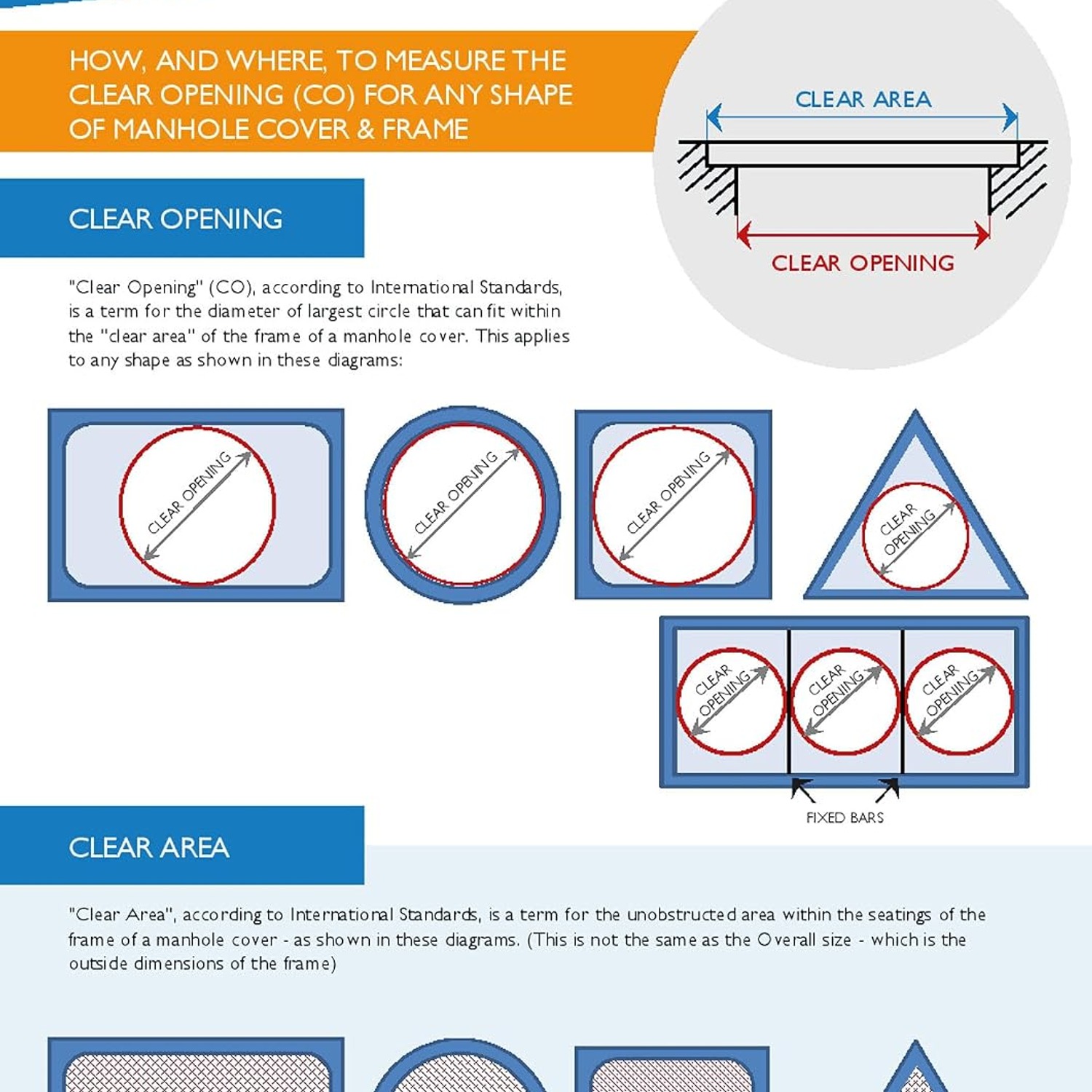
The important sizing note from the manufacturer is that covers of this type are measured by the size of the opening you're trying to cover, not by the overall outer dimensions of the product. Measure the clear opening of your chamber first, then work out which cover size suits it. If you order from the outer measurements you can end up with something that won't sit correctly over the hole, which is the most common mistake with any recessed inspection cover.

Because the tray takes your own infill, the finished appearance is entirely up to you. Block paving cut around the tray gives a driveway a continuous look. Porcelain or stone tiles set into the recess suit a modern terrace. A sand and cement screed with a brushed or trowelled face works where the surrounding floor is also screed. Whatever you choose, the weight of that infill becomes part of the lid, so allow for it when you plan how the cover will be lifted.

Access is the whole point of an inspection chamber, so the cover is designed to come up again. Keep the lifting key holes clear, keep silt out of the frame channel, and lift the lid occasionally rather than leaving it untouched for a decade. A cover that has been opened once a year comes up easily. One that has been sealed under mortar splash and grit since installation doesn't.

Not sure yet? That is fine.

Getting the size right matters more than anything on this page, and if it turns out not to fit, we make it easy to change your mind. Under the Consumer Contracts Regulations 2013 you have 14 days from delivery to cancel for any reason, and a further 14 days to send it back unused and in resaleable condition. We refund the price you paid, including standard delivery.

If it turns up faulty, damaged or not as described, that is on us. The Consumer Rights Act 2015 covers you, and we pay the return postage. Read the full detail on our refunds and returns page, or ask us anything before you order.

Frequently Asked Questions

What's a recessed manhole cover?

It's an access cover with a shallow tray instead of a solid plate. You fill the tray with the same finish used around it, such as paving or tiles, so the cover blends into the surface. The chamber underneath stays accessible because the whole filled tray lifts out.

How is this different from a standard solid manhole cover?

A standard cover is a plain metal or composite plate that you see. A recessed inspection cover is designed to be hidden by whatever infill you put in it. Function is similar, appearance is very different.

What's included?

This is supplied as a cover and frame set under part number CLKS 790R / 46. Having the frame from the same set means the lid seats correctly rather than rocking or sitting proud. Infill material isn't included, since you choose that to match your surface.

Who makes it?

The manufacturer is Clark-Drain. The manufacturer reference and part number are both listed as CLKS 790R / 46.

What size is it?

The overall product dimensions are 74 x 59 x 5.8 cm. The clear opening size isn't specified in this record, so measure your chamber opening before ordering.

How do I work out which size I need?

Measure the clear opening of the inspection chamber, meaning the actual hole you need to cover, not the outer edge of any existing frame. Covers of this type are sized by that opening. Getting this right first is the single most useful thing you can do.

How much does it weigh?

The item weight is 9.28 kg as supplied. Once you fill the tray with paving, tile or screed, the finished lid will be noticeably heavier. Factor that in when you decide who will be lifting it.

What can I fill the tray with?

Common choices are block paving, stone or porcelain tiles, and sand and cement screed. The idea is to use the same material as the surrounding surface so the join reads as a normal pattern break rather than a lid. Any infill needs to be bonded so it doesn't lift out loose.

Will it work with block paving?

Yes, block paving is one of the most common infills for a recessed manhole cover on a driveway. Blocks are cut to fit the tray and bedded so they sit flush with the surrounding course. The result is a driveway manhole cover you can walk over without noticing.

Can I use tiles in it?

Yes. A tile insert manhole cover is a popular choice on terraces and patios where the surrounding surface is porcelain or stone. Use a suitable exterior adhesive and keep the tile faces level with the surrounding tiles.

Can I fill it with screed?

Yes, a screed infill is a normal option, particularly indoors or where the surrounding floor is also screed. Let it cure properly before the cover takes traffic. Keep the screed out of the frame channel and away from the lifting key holes.

What material is the cover made from?

The material isn't specified in this record. If the exact material specification matters for your project, check the Clark-Drain data for part number CLKS 790R / 46 before ordering.

What load rating does it have?

A load rating isn't specified in this record. Load class matters if the cover will take vehicles, so confirm the rating for your intended location rather than assuming it.

Is it suitable for a driveway with cars on it?

That depends on the load rating, which isn't stated here. For any location where vehicles cross the cover, check the load class first. Foot traffic areas such as patios and paths are the more straightforward use.

Is it sealed against smells?

Sealing isn't specified in this record. Many recessed covers are supplied with a seal seating that's greased on installation, but you should confirm the sealing arrangement for this part number if odour control is important.

Can I install this myself?

A competent DIY installer with paving or tiling experience can usually manage it. The frame needs to be bedded level and square, and the infill needs to finish flush with the surrounding surface. If the chamber is on a foul drainage run and you're unsure, get a drainage contractor involved.

How do I set the frame?

The frame is bedded on mortar around the chamber opening so its top edge finishes at the right height for the surrounding surface plus your infill thickness. Check it for level in both directions before the mortar goes off. Rushing this step is what causes a cover to sit proud or rock.

What thickness of infill will fit?

The tray depth determines this and isn't stated separately in this record. Measure the internal tray depth on arrival and choose an infill and bedding combination that finishes flush. Overall product height is listed as 5.8 cm.

Will the infill come loose over time?

Not if it's properly bedded and bonded. Loose infill is usually a sign that the bedding was too dry, too thin, or laid onto a dirty tray. Clean the tray, use a suitable bedding material, and let it cure fully before use.

How do I open it later?

Recessed covers are lifted using key holes in the cover, usually with lifting keys. Keep those holes clear of mortar and grit during installation, otherwise you'll be digging them out later. It's worth marking where they're once the surface is finished.

Are lifting keys included?

Lifting keys aren't listed in the supplied contents for this item. Manhole cover lifting keys are widely available separately, so check what you've before you need to open the chamber in a hurry.

How do I look after it?

Sweep grit off the cover and out of the frame channel so the lid keeps seating flat. Lift it once or twice a year, clear any silt, and re-grease the seal seating with a light waterproof grease. That short bit of maintenance stops the cover bonding shut.

What if the cover has seized shut?

This usually happens when silt, mortar or grit has built up in the frame channel over years. Clear the key holes, work around the edge to break the seal, and lift evenly rather than levering one corner hard. Regular opening prevents the problem in the first place.

Will water get into the chamber through it?

Some surface water will always find its way around a floor level access point. A properly bedded frame and a well finished infill greatly reduce it. If the chamber sits in a low spot, consider how surface water drains away from it as part of the design.

Can it be used indoors?

Recessed covers are used indoors where a chamber sits under a finished floor, with screed or tile infill matching the room. Ventilation and sealing requirements indoors are stricter, so confirm the specification for your situation before you build it in.

Does it need any special tools to install?

Standard groundwork and paving tools cover most of it, meaning a trowel, a level, a rubber mallet, and a cutter for your chosen infill. No power beyond a cutting tool is needed. Lifting keys are useful to have on hand at the end.

What's the country of origin?

Country of origin isn't specified in this record. The manufacturer is Clark-Drain.

How is it delivered?

It ships as a single item weighing 9.28 kg with overall dimensions of 74 x 59 x 5.8 cm. Check the frame and cover for transit damage on arrival, especially the seating edges, before you start bedding anything.

Would this make sense as part of a landscaping project gift or handover?

It's a practical item rather than a gift, but it's a sensible thing to hand over to a client or a new homeowner along with the lifting keys and a note of where the chamber sits. Knowing the location of a hidden access point saves a lot of guesswork years later.

What if it isn't the right one when it arrives?

Check the clear opening measurement against your chamber before you cut anything or lay any bedding. If the size doesn't suit, contact us with your order details and the measurement you took, and we'll sort out a return or exchange. Uninstalled items in original condition are far easier to resolve, so measure first and install second.

How To Choose A Recessed Manhole Cover

6 min read Manhole Cover UK

The problem with a lid in the middle of your paving

You spend weeks getting a patio or a driveway right. The blocks are laid, the pattern runs true, the edges are neat. Then there's a metal plate sitting in the middle of it, because underneath is the inspection chamber and that has to stay reachable.

Most people just live with it. Some try to hide it with a plant pot, which works until somebody needs to open the chamber. A recessed manhole cover takes a different approach. Instead of hiding the lid, it lets you carry your surface straight across it.

How a recessed cover actually works

A standard access cover is a solid plate that sits in a frame. What you see is the plate. A recessed cover replaces that plate with a shallow tray. The frame still sits in the same place, still holds everything level, still gives you a proper seating around the chamber opening. But the part you look at is empty when it arrives.

You fill it. Block paving, tiles, stone, screed, whatever the surrounding surface happens to be. The infill is bedded into the tray so it becomes part of the lid. When somebody needs to open the chamber, the whole thing comes up as one unit, infill and all.

The result is that the access point stops being a feature. On a block paved drive you see a slight line where the cuts run around the tray, and that's it. On a tiled terrace with a tile insert manhole cover, the grout lines carry on and most people never spot it.

This particular unit is a Clark-Drain product, part CLKS 790R / 46, supplied as a cover with its matching frame. It measures 74 x 59 x 5.8 cm overall and weighs 9.28 kg before any infill goes in.

Measure the opening, not the outside

This is the part that trips people up, so it's worth being blunt about it.

Covers of this type are sized by the clear opening you're trying to cover. Not the outer edge of the product. Not the outer edge of the old frame that's already there. The actual hole.

Lift the existing lid, put a tape across the opening in both directions, and write both numbers down. Do it at the top of the chamber where the cover seats, because chambers aren't always perfectly square and the opening can taper. If the two diagonals differ, note that too.

Order from that measurement. If you order from the outer dimensions of your old cover you'll very likely end up with something that doesn't sit correctly, and by then you've already ripped up the paving around it.

Choosing your infill

The infill decides how the finished job looks, so think about it before the frame goes in.

Block paving is the obvious choice for a drive. The blocks get cut to fit the tray and bedded so they finish flush with the courses around them. Done well, a block paving manhole cover is genuinely hard to find unless you know where it is.

Tiles suit modern terraces. Porcelain and stone both work, using an exterior grade adhesive. Keep the tile faces dead level with the surrounding tiles, because a millimetre of step catches the light and catches the eye.

Screed is the plainest option and often the right one indoors, or anywhere the surrounding floor is also screed. It needs proper curing time before the cover takes any real traffic.

Whichever you pick, remember the infill adds weight. The cover arrives at 9.28 kg. Two courses of block paving bedded in mortar will add a fair bit more. That's normal, but it changes who can lift the thing on their own.

Setting the frame

The frame does most of the work here. If it goes in level and square, everything after it's straightforward. If it doesn't, you'll be fighting a rocking cover for years.

Bed the frame on mortar around the chamber opening. The height matters, because the top of the frame needs to finish so that the frame plus your infill lands flush with the surrounding surface. Work backwards from your finished floor level, subtract the infill and bedding thickness, and set the frame to that.

Check level in both directions and across both diagonals before the mortar starts to go off. Take the extra five minutes. Nobody has ever regretted checking a frame twice.

Keep mortar out of the frame channel and away from the lifting key holes. Splash that gets into those places sets hard and turns an easy lift into an unpleasant afternoon later on.

Who this suits

Anyone laying a new surface over an existing inspection chamber. That covers new patios, new driveways, tiled terraces, and internal floors where a chamber sits under the finished level.

It also suits renovations where an old cover has rusted or cracked and the surrounding surface is decent enough to keep. Swapping to a recessed access cover at that point costs a little more in labour but gives you a much better looking result.

It suits people who care what the finished surface looks like. If the chamber sits in a corner behind a shed, a plain lid is fine and cheaper. If it sits in the middle of the terrace you look at from the kitchen window, this is worth doing.

Where it needs more thought is anywhere vehicles cross regularly. Load rating isn't specified in this record, so check the class for your intended use before you commit. Same goes for sealing arrangements if odour control matters, which it can on a foul drainage run near a door or a window.

Keeping it working

The one real enemy of any access cover is neglect. Silt, grit and garden debris build up in the frame channel. Mortar splash from the original job sets around the edges. Nobody opens it for eight years. Then there's a blockage and the cover won't budge.

The fix is simple and takes ten minutes a year. Sweep the top clear. Lift the cover, clear any silt from the seating, and put a light waterproof grease back on the seal seating. Drop it back down. That's it.

Mark where the lifting key holes are, ideally on a plan or a photo you keep somewhere sensible. A well finished recessed inspection cover is genuinely hard to locate once the paving is down, which is great until you're the one hunting for it in the rain.

Check you've lifting keys before you need them. They aren't listed as included with this item and they're the sort of thing that vanishes from a garage over a few years.

The short version

A recessed manhole cover lets your paving, tile or screed continue over an inspection chamber instead of stopping at it. This one is a Clark-Drain cover and frame set, part CLKS 790R / 46, measuring 74 x 59 x 5.8 cm and weighing 9.28 kg.

Measure the clear opening of your chamber before you order anything, because that's how these are sized. Set the frame level and at the right height for your infill thickness. Choose an infill that matches the surface around it. Keep the key holes clear during installation.

Then lift it once a year, even when nothing is wrong. That habit is the difference between a cover that opens easily and one that has to be chiselled out.

Browse the shop

Not sure which size you need?

Measure the clear opening of your chamber, send us the figure, and we'll tell you whether this cover suits it.

Ask us a question

Page summary

The Recessed Manhole Cover and Frame is a Clark-Drain product, part number CLKS 790R / 46, supplied as a matched cover and frame set. It's a recessed or fillable type cover, meaning the tray is filled with the installer's own surface finish such as block paving, tiles or screed so the inspection chamber blends into the surrounding floor while remaining accessible. Overall product dimensions are 74 x 59 x 5.8 cm and the item weighs 9.28 kg. Condition is new. Material, colour, country of origin, load rating and clear opening size aren't specified in this record. The manufacturer notes that covers of this type are sized by the clear opening being covered, so measure the chamber opening before ordering.