Manhole Cover UK
Company
Shop By Category
T&Cs
Shop Online
  • Sized for the common 600 x 450 mm chamber opening. Measure yours first
  • Free tracked delivery across the UK over £60
  • 14-day returns

Block Paving Manhole Cover | Recessed Manhole Cover 80mm | Driveway Manhole Cover

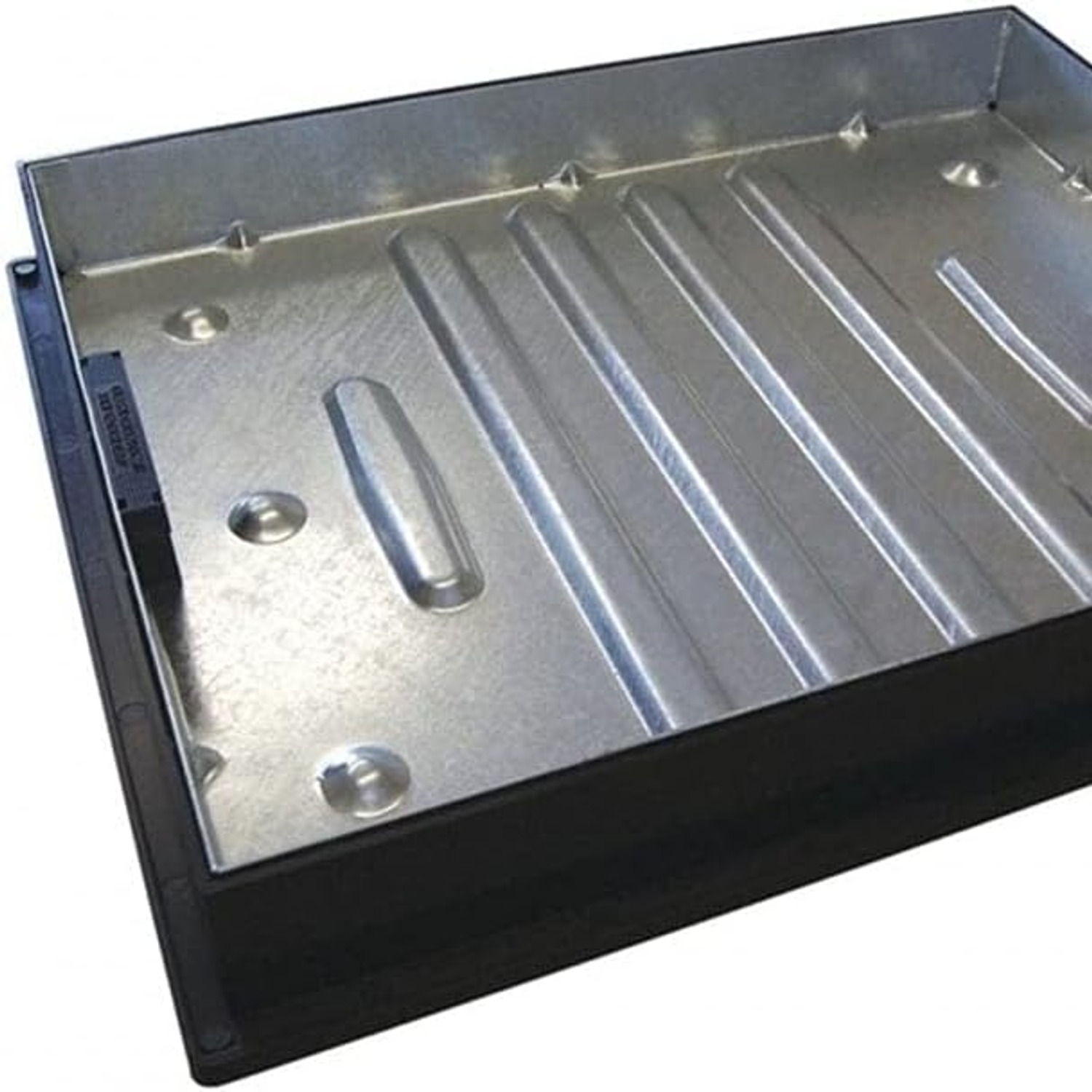
Recessed Block Paving Manhole Cover and Frame

£109.99 £131.99 Save £22
  • Takes Your Blocks
  • 80mm Infill Depth
  • Keeps Access Open
  • Supplied With Frame

Price: £109.99 £131.99

  • Free tracked delivery across the UK on orders £60+, otherwise a flat £6.95
  • Pay by card or PayPal, handled by the payment provider
  • 14 days to change your mind, plus your statutory rights
Product specifications
Product TypeRecessed block paving manhole cover and frame
ManufacturerCLARK DRAIN
BrandWITPOCE
Item Weight11.2 kg
Package Dimensions68.4 x 53.8 x 8.6 cm
Batteries RequiredNo
ConditionNew
Weight11.2 kg
Shipping & returns

Tracked delivery anywhere in the UK. It is free on orders of £60 or more, and a flat £6.95 below that.

Under the Consumer Rights Act 2022 you have 14 days from delivery to cancel for any reason, and a further 14 days to send it back in resaleable condition. We refund the price you paid, including standard delivery. You cover the cost of returning it unless the item is faulty.

If it arrives faulty, damaged or not as described, we put it right at no cost to you under the Consumer Rights Act 2022 and the EU Sale of Goods Directive 2019/771, return postage included.

Shipping details · Refunds and returns

Takes Your BlocksFill the tray with the same paving used around it.
80mm Infill DepthSuits standard block pavers, setts and thin slabs.
Keeps Access OpenLifts out when the chamber below needs checking.
Supplied With FrameCover and frame arrive together as a matched set.

Hide the inspection chamber under your paving with a block paving manhole cover that lets the drive run right over the top.

A recessed tray design with an 80mm infill depth takes the same blocks, setts or slabs as the surrounding surface, so the access point stays usable but stops being the first thing anyone sees.

A recessed block paving manhole cover lets your drive, path or patio pattern carry straight across an inspection chamber instead of stopping dead at a plain metal lid.

The tray is designed for an 80mm infill, which is the depth most common block pavers and setts are laid at.

The cover and its frame come as a pair, so the seating faces match and the lid sits down properly once bedded in.

Access to the chamber below stays available, since the whole filled unit lifts out with the correct keys when you need to look underneath.

At 11.2 kg for the shipped item, it's heavy enough to feel solid underfoot but still a job two people can handle on a domestic driveway.

Most inspection chambers end up in exactly the wrong place. You lay a driveway, get the bond pattern running nicely, and then there's a plain lid sitting in the middle of it. A recessed cover solves that by turning the lid into part of the surface. Instead of a flat metal top, you get a tray with a rebate around the edge, and you fill that tray with the same blocks you used everywhere else.

The infill depth here's 80mm, which matters more than people expect. Standard block pavers are commonly made at that depth, and so are a lot of setts and thicker riven units. If your paving matches, the blocks drop in, get bedded, and the finished level sits flush with the surrounding surface. Get the depth wrong and you're either packing the tray out or grinding blocks down, neither of which is fun on your knees on a cold morning.

The cover ships with its frame. That's worth saying plainly, because a lid on its own is close to useless. The frame is what gets bedded into the chamber opening and gives the cover something square and level to seat against. Buying them as a set means the seating faces already match each other, so you aren't trying to make two half-compatible parts get along.

Access is the whole point of an inspection chamber, so nothing about the recessed design is permanent. When a drain needs rodding or a survey camera needs to go down, the filled unit lifts out using lifting keys and the chamber is open. The blocks stay in the tray, so you aren't picking pavers out of the mud and trying to remember which way round they went.

This listing covers the cover and frame only. The infill blocks, bedding mortar, jointing sand and lifting keys are separate and depend on what your paving contractor is already using on the job. Full material and load rating details aren't specified in this product record, so if you're working to a particular specification, confirm the requirement before ordering.

Not sure yet? That is fine.

Getting the size right matters more than anything on this page, and if it turns out not to fit, we make it easy to change your mind. Under the Consumer Contracts Regulations 2013 you have 14 days from delivery to cancel for any reason, and a further 14 days to send it back unused and in resaleable condition. We refund the price you paid, including standard delivery.

If it turns up faulty, damaged or not as described, that is on us. The Consumer Rights Act 2015 covers you, and we pay the return postage. Read the full detail on our refunds and returns page, or ask us anything before you order.

Frequently Asked Questions

What's a block paving manhole cover?

It's a manhole cover built as a shallow tray rather than a solid plate. You fill the tray with the same blocks or slabs used on the surrounding surface, so the finished cover blends into the paving. The chamber underneath stays accessible because the whole filled unit lifts out.

Does it come with the frame?

Yes, the cover and frame are supplied together. The frame is bedded into the chamber opening and gives the cover a square, level seating face. Buying them as a matched pair avoids the fit problems you get when mixing parts from different sources.

What infill depth does it take?

The tray is designed for an 80mm infill. That's the depth of a lot of standard block pavers and setts, which is why it's such a common size for driveway work. Check your own blocks with a tape before you order.

Are the paving blocks included?

No. The idea is that you use the same blocks as the rest of your driveway or patio so the pattern matches. Infill blocks, bedding mortar and jointing sand are all bought separately, usually from whoever supplied your paving.

What's the clear opening size?

The clear opening dimension isn't specified in this product record. Before ordering, measure the internal opening of your inspection chamber and confirm the cover suits it. If you're unsure, ask your groundworker or drainage supplier to check the chamber against the size you need.

How heavy is it?

The item weighs 11.2 kg as shipped. That's manageable for two people to carry and position, though once the tray is filled with blocks and mortar the finished weight goes up considerably. Plan for two people when lifting a filled cover.

Can I drive a car over it?

Recessed covers of this style are widely used on domestic driveways where cars park and turn. The specific load rating isn't stated in this record, so if you need a documented rating, confirm it before you buy. Heavy plant, skip lorries and site machinery need a rated cover chosen for that duty.

Is this the best driveway manhole cover for a new drive?

It suits a new drive well, because the frame can be set to the right level while the base is going in rather than being retrofitted later. That's the easiest way to get a flush finish. On an existing drive the job is still doable but involves lifting blocks around the chamber.

Will it work with setts as well as rectangular pavers?

Setts of the right depth work fine, as do thinner slabs packed up to the correct level. The main thing is matching the 80mm infill depth so the top surface finishes flush. Cutting is usually needed at the tray edges whatever unit you use.

How do I get the cover out when I need access?

Lifting keys hook into the key holes and let you raise the filled unit straight up. Keys are sold separately and vary by cover type, so it's worth buying a set at the same time and keeping them somewhere you'll find them again. Two people make the lift far easier once the tray is loaded.

Do I need to seal it?

Recessed covers are usually bedded on mortar around the frame, which gives a firm, weather-resistant joint. Whether a sealed cover is required depends on the chamber and its location. Foul drainage inside a building generally needs a sealed and screwed cover, so check the requirement for your situation.

What tools will I need to fit it?

A tape, spirit level, string line, bolster and lump hammer or a block splitter, a bucket trowel and something to mix mortar in will cover most of the job. A cut-off saw with a diamond blade makes the block cuts around the tray edges much tidier. Wear eye protection and gloves.

Can I fit this myself?

If you're already laying block paving, this is within reach as a DIY job. It's mostly careful measuring, getting the frame level and cutting infill blocks neatly. If the chamber is deep, carries foul drainage, or you're unsure about levels, get a groundworker or drainage contractor involved.

How do I stop the infill blocks working loose?

Bed them properly on mortar rather than dropping them into loose sand, and cut the edge pieces to fit snugly rather than leaving wide gaps. Joint the blocks the same way you jointed the rest of the paving. Well bedded infill can last as long as the drive itself.

Does the whole cover need lifting for a drain rod?

Yes, the tray lifts out as one piece to open the chamber. That's normally quick with the right keys. Because the blocks stay in the tray, refitting is just a matter of dropping the unit back onto the frame.

Will it rock or rattle underfoot?

A cover that's seated correctly on a level frame should sit still. Rocking almost always means grit on the seating face or a frame that hasn't been bedded flat. Clean the rebate out and re-check the frame level before assuming there's a fault.

What's the best hidden drain cover option for a patio?

A recessed tray cover is the usual answer, because it takes the same slabs or blocks used on the patio. The alternative is a plain lid, which always draws the eye. For patios, check the slab depth against the 80mm infill so you aren't packing the tray out too much.

Can I use it in a lawn or gravel area?

The tray is designed for a rigid infill like blocks or slabs, so it works best in paved surfaces. Loose gravel tends to scatter out of a shallow tray over time. In a lawn, a plain lid or a purpose-made grass cover is usually a better match.

Does it need a concrete surround?

Frames are normally bedded on mortar and supported around the chamber opening so the load is carried by the surround rather than the chamber walls. How that's built depends on the chamber and the surface above it. Follow the drainage detail your installer is working to.

What if my paving is thinner than 80mm?

You can pack the tray with a mortar or concrete bed under the blocks to bring them up to the right level. Plenty of installers do exactly that. Just keep the bed solid and even so the blocks don't sink or crack later.

What colour is it?

Colour isn't specified in this product record. Once filled, most of what you see is your own paving anyway, with only the tray edge showing. That's a large part of why people choose a recessed cover.

What material is it made from?

The material isn't stated in this record. If the material specification matters for your project, confirm it with the supplier before ordering. The shipped weight of 11.2 kg gives some sense of how substantial the unit is.

How long does the fitting take?

For someone already laying the surrounding paving, setting the frame and filling the tray is usually part of a day's work rather than a job on its own. Mortar needs time to cure before heavy traffic goes over it. Allow longer if you're cutting the chamber surround to suit.

Is this suitable for a shared driveway?

For normal car use it's the same situation as a private drive. The thing to watch is heavier vehicles, since delivery lorries and skip trucks put much more load through a cover. If those are likely, choose a cover with a stated rating for that duty.

How do I clean it?

Sweep the surface like the rest of your paving. Once or twice a year, lift the cover, brush out the frame rebate and clear any silt that has collected. Keeping the seating face clean is what stops a cover rocking.

Can it be painted or sealed like the rest of the drive?

The infill blocks can be treated with whatever sealer you use on the surrounding paving, following that product's instructions. Avoid getting sealer into the frame rebate or the lifting key holes, since that makes future lifts harder. Test on a spare block first.

Does it come flat-packed or assembled?

The cover and frame arrive as separate components in one package, ready to be bedded into place on site. There's no assembly in the usual sense, just installation. Package dimensions are 68.4 x 53.8 x 8.6 cm.

Would this make a sensible gift?

It isn't exactly a wrapped present, but it's a genuinely useful thing to buy for someone mid-renovation who has been staring at an ugly lid for months. If you're buying for a project, check the chamber size with them first. Nobody wants a cover that doesn't fit their opening.

What about delivery and returns?

Delivery timing depends on your storefront and destination, and the details are shown at checkout. Because this is a heavy item, keep it in its packaging until you're ready to install. If a return is needed, contact us before fitting, since a bedded-in cover can't be sent back.

What if it turns out not to be right for my chamber?

Get in touch with our team and describe the chamber opening and the situation. If the cover hasn't been fitted and is still in resaleable condition, we'll talk you through the return options for your country. If you're unsure before ordering, message us with your measurements and we'll help you work out whether this size suits.

Choosing a Recessed Block Paving Manhole Cover

6 min read Manhole Cover UK

The problem with a plain lid

You spend weeks getting a driveway right. The bond pattern lines up, the edging is straight, the levels fall the way they should. Then there's the manhole. A flat metal or plastic lid, a different colour to everything around it, sitting in the middle of the drive like something left behind by the builders.

It isn't a small thing either. The eye goes straight to it. On a herringbone drive it's worse, because the pattern is doing something regular and then just stops for half a square metre.

A recessed block paving manhole cover fixes that. Instead of a solid lid, you get a shallow steel tray with a lip around the edge. You fill the tray with the same blocks you laid everywhere else, bed them, joint them, and the surface carries on across the chamber. From standing height, most people never notice it's there. That's the point.

How a recessed cover actually works

The unit has two parts. The frame gets bedded into the top of the inspection chamber, usually on mortar, and it needs to be square and dead level. Everything else follows from that. The cover then sits down inside the frame on a machined seating face, with the top of the tray edge finishing flush with the paving around it.

The tray itself has a set depth, and on this cover that depth is 80mm. You fill it with blocks bedded on mortar, cutting the edge pieces to fit against the tray walls. Once the mortar sets, the filled tray behaves as one unit.

When someone needs to get into the chamber, lifting keys hook into the key holes and the whole thing comes out in one piece. The blocks come up with it, still bedded in the tray, so refitting is just dropping it back onto the frame. No picking pavers out of the mud, no trying to remember the pattern.

Why 80mm matters more than it sounds

The infill depth is the number to check first, before anything else. Most standard block pavers in the UK and much of Europe are made at 80mm for driveway use, with 60mm blocks common for pedestrian areas and patios. An 80mm tray is aimed squarely at driveway paving.

If your blocks are 80mm, the job is straightforward. Bed them, level them, done.

If your blocks are thinner, say 50mm or 60mm slabs, you aren't stuck. You just build up the bed underneath so the top face finishes flush. Plenty of installers do exactly this. It costs a bit more mortar and a bit more care with the levels, nothing worse.

Where it gets awkward is going the other way. If your paving units are deeper than the tray, you either cut them down, which is slow and messy, or you pick a deeper cover. Measure your blocks first. A tape and thirty seconds saves a lot of grief.

Who this suits

Anyone laying or relaying a block driveway with an inspection chamber in it. That's the obvious one, and it's where recessed covers earn their keep, because the frame can be set to final level while the sub-base is going in rather than being retrofitted afterwards.

It also works for front paths, parking bays, courtyards and patios, as long as the paving unit depth is sorted out. Some people fit one purely because they're selling the house and the drive photographs badly with a metal lid in shot. That's a reasonable enough reason.

Where it's less suitable is loose surfaces. A tray full of gravel doesn't stay full of gravel for very long. Lawns are the same story, since the tray needs a rigid infill to work. There are dedicated covers for those situations.

It's also worth being clear about heavy traffic. Domestic cars parking and turning are one thing. Skip lorries, concrete trucks and site plant put much greater loads through a cover, and that calls for a unit with a stated rating for that duty. This record doesn't specify a load rating, so if your access is used by anything heavier than a family car, confirm the requirement before you commit.

Getting the sizing right

Two measurements decide whether a cover works. The clear opening, which is the useful hole size once the frame is in, and the overall frame size, which is what has to fit onto the chamber surround.

The clear opening for this cover isn't stated in this product record. That means the sensible move is to measure your chamber before ordering rather than guessing. Take the internal opening of the chamber at the top, note it down, and check it against the size you need. If your chamber is a standard domestic type, your drainage supplier or groundworker will know straight away whether the cover suits.

The package here measures 68.4 x 53.8 x 8.6 cm and the item weighs 11.2 kg, so you've a reasonable sense of the physical footprint before it arrives.

Fitting it without regretting it later

Most problems with recessed covers come down to the same few things.

The frame not being level is the big one. If it rocks or twists, the cover will never sit right and you'll hear about it every time a car goes over. Use a level and a string line off the surrounding paving, and take the time to get it flat before the mortar goes off.

Bedding the infill on loose sand is the second. It seems easier and it works for about a season. Then the blocks start moving, the joints open up, and grit finds its way into the frame rebate. Bed the infill on mortar.

Sloppy edge cuts are the third. The blocks that meet the tray walls need to be cut to fit properly, not just dropped in with a finger-width gap and hoped for. Wide joints at the edge are where things loosen first. A cut-off saw with a diamond blade gives a far cleaner result than a bolster, though a bolster works if you're patient.

Last one: buy the lifting keys at the same time and put them somewhere sensible. The moment you actually need them tends to be the moment the drain is backing up, and that's a poor time to be searching the garage.

Looking after it

There's not much to it. Sweep the surface with the rest of the paving. Once or twice a year, lift the cover, brush the seating face and the frame rebate clean, and clear out any silt sitting around the edge. Grit on the seating face is what makes a cover rock, and it takes two minutes to deal with.

If you seal your paving, you can treat the infill blocks the same way, following the sealer's own instructions. Keep it out of the lifting key holes and the frame rebate, since a gummed-up key hole makes the next lift harder than it needs to be.

If a block works loose over time, take it out and re-bed it rather than leaving it. One loose unit turns into three fairly quickly.

The short version

A recessed block paving manhole cover is the tidiest way to deal with an inspection chamber in a paved surface. It takes your own blocks, so the drive pattern runs unbroken, and it still lifts out when someone needs to get down the chamber.

Check three things before you order. The internal opening size of your chamber, the depth of the blocks you're laying against the 80mm infill, and whether the access carries anything heavier than domestic vehicles. Get those right and the fitting is mostly careful levelling and neat cutting.

The cover and frame come together, the shipped weight is 11.2 kg, and infill blocks, mortar and lifting keys are bought separately. Material, colour and load rating aren't specified in this record, so ask us if any of those matter for your project. We would rather answer a question than have you order the wrong size.

Browse the shop

Not sure it fits your chamber?

Send us the internal opening size of your inspection chamber and we'll tell you whether this cover suits before you order.

Ask us a question

Page summary

This is a recessed block paving manhole cover supplied with its frame, listed under the brand WITPOCE and showing CLARK DRAIN as manufacturer in the product details. It's a tray-style cover intended to be filled with the same block pavers, setts or slabs used on the surrounding driveway, path or patio, so the paving pattern continues over an inspection chamber instead of stopping at a plain lid. The design suits an 80mm infill depth. The shipped item weighs 11.2 kg and packs at 68.4 x 53.8 x 8.6 cm. Colour, material, country of origin, load rating and clear opening size aren't specified in this record. Infill blocks, bedding mortar and lifting keys aren't included.