Manhole Cover UK
Company
Shop By Category
T&Cs
Shop Online
  • Sized for the common 600 x 450 mm chamber opening. Measure yours first
  • Free tracked delivery across the UK over £60
  • 14-day returns

Cast Iron Gully Grid | Square Drain Grate 150mm | Cast Iron Drain Grid

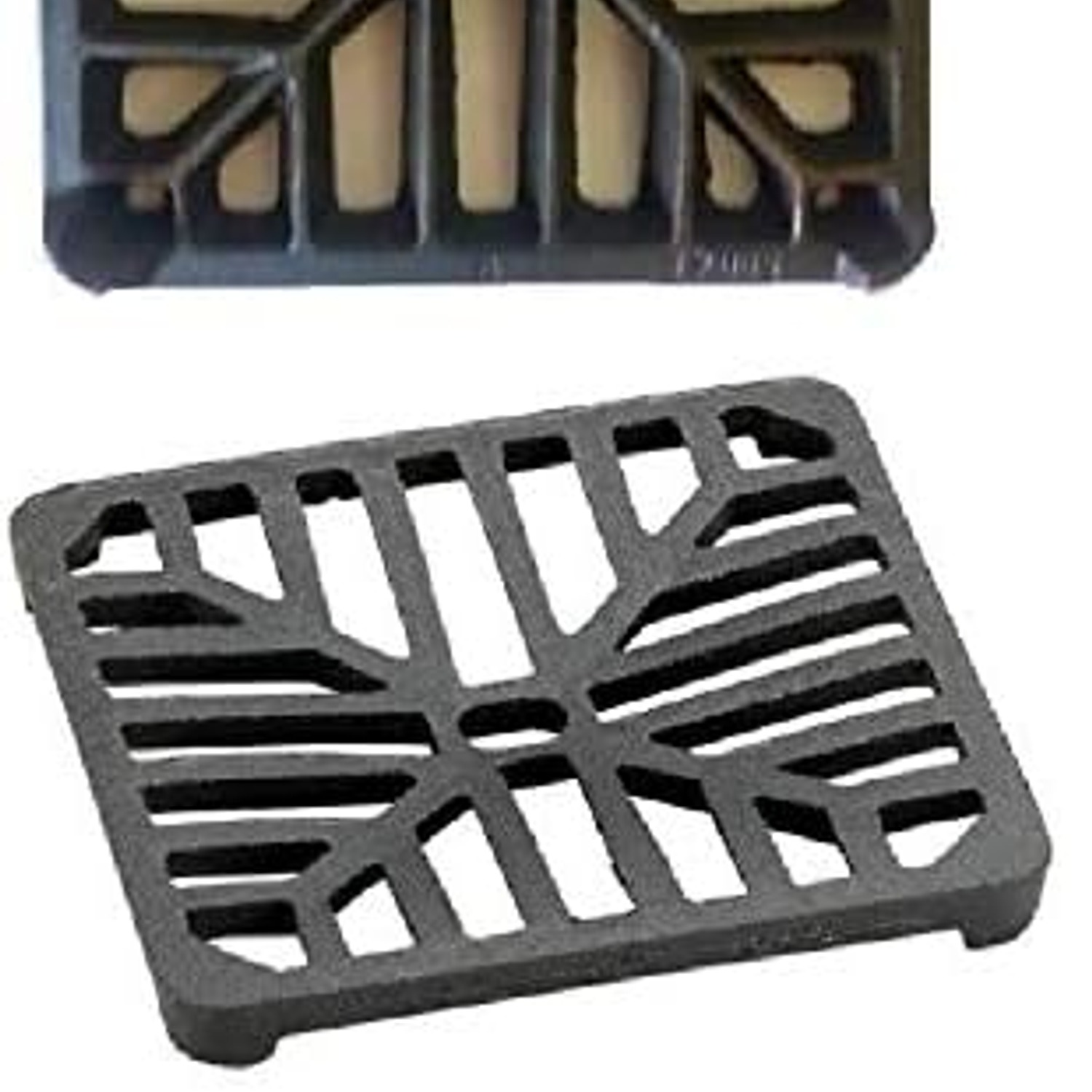
Cast Iron Gully Grid 150mm Square Drain Grate

£26.99 £31.99 Save £5
  • Solid Cast Iron
  • Square 150mm Fit
  • Black Satin Finish
  • Blocks Debris

Price: £26.99 £31.99

  • Free tracked delivery across the UK on orders £60+, otherwise a flat £6.95
  • Pay by card or PayPal, handled by the payment provider
  • 14 days to change your mind, plus your statutory rights
Product specifications
ManufacturerThomas Dudley
Part Number313124
Item Model Number313124
Product Dimensions15.24 x 15.24 x 0.9 cm
Item Weight690 g
MaterialIron
ColourBlack
FinishSatin
StyleModern
Special FeaturesHeavy duty
Package Quantity1
Batteries RequiredNo
Weight690 g
Shipping & returns

Tracked delivery anywhere in the UK. It is free on orders of £60 or more, and a flat £6.95 below that.

Under the Consumer Rights Act 2022 you have 14 days from delivery to cancel for any reason, and a further 14 days to send it back in resaleable condition. We refund the price you paid, including standard delivery. You cover the cost of returning it unless the item is faulty.

If it arrives faulty, damaged or not as described, we put it right at no cost to you under the Consumer Rights Act 2022 and the EU Sale of Goods Directive 2019/771, return postage included.

Shipping details · Refunds and returns

Solid Cast IronReal cast iron, not a light alloy substitute, at 690 g.
Square 150mm FitRoughly 15.2 cm square to suit standard gully pots.
Black Satin FinishA low sheen coating that blends into paving and tarmac.
Blocks DebrisOpen bars let water through while leaves and grit stay out.

A solid cast iron gully grid that keeps leaves, grit and debris out of your drain without buckling underfoot.

Square cast iron construction with a black satin finish, sized for standard gully pots and built to sit flat in paths, patios and driveway channels.

A square cast iron gully grid sized at roughly 15.2 cm by 15.2 cm to sit neatly over standard gully pots.

Cast iron construction gives it the weight and rigidity to stay put underfoot instead of rattling or lifting.

The black satin finish keeps it looking neat against block paving, concrete and tarmac.

Open bars keep leaves, stones and litter out of the drain while rainwater passes through freely.

Lifts straight out for cleaning, so clearing silt from the gully below takes seconds.

Gully grids do a small job that matters a lot. They sit over the mouth of a drain and stop everything that's not water from falling in. Leaves, grit washed off a driveway, cigarette ends, small stones from a gravel border, all of it collects on top of the grid rather than sinking into the gully pot and packing down into a blockage. This one is a square cast iron grid measuring about 15.24 cm on each side, which is the common size for domestic gully pots on paths, patios and driveways.

The material is the main point of difference. Cast iron has heft and stiffness that thin pressed metal and light alloy castings don't. At 690 g this grid stays where you put it. It doesn't skate sideways when a wheelbarrow rolls across it, and it doesn't flex and clatter every time someone walks past. Anyone who has replaced a rattling drain cover twice in three years knows why that matters.

The finish is a black satin coating rather than a high gloss. It looks settled next to block paving, concrete slabs and tarmac instead of standing out as a shiny patch. Over time the coating will pick up marks from grit and boots, which is normal for anything sitting at ground level outdoors. A wire brush and a can of exterior metal paint brings it back if you want it looking sharp again.

Fitting is simple because there's nothing to fit. The grid drops into the recess in the top of the gully pot and sits flush against the surrounding frame or paving. There are no screws, clips or fixings involved. That also means it comes out just as easily when you need to reach the trap below to scoop out silt or fish out a build up of leaf mulch. If your existing grid has rusted through or gone missing, this is a straight swap job for anyone with a screwdriver to lever it up with.

One honest note on sizing. Gully pots vary, and a grid that's a few millimetres out will either rock in the frame or refuse to seat at all. Measure the opening in your existing frame before ordering, not the old grid itself, since a corroded grid can be smaller than the hole it came from. The listed dimensions here are 15.24 cm by 15.24 cm with a 0.9 cm thickness.

Not sure yet? That is fine.

Getting the size right matters more than anything on this page, and if it turns out not to fit, we make it easy to change your mind. Under the Consumer Contracts Regulations 2013 you have 14 days from delivery to cancel for any reason, and a further 14 days to send it back unused and in resaleable condition. We refund the price you paid, including standard delivery.

If it turns up faulty, damaged or not as described, that is on us. The Consumer Rights Act 2015 covers you, and we pay the return postage. Read the full detail on our refunds and returns page, or ask us anything before you order.

Frequently Asked Questions

What's a gully grid?

It's the metal grate that covers the open top of a drain gully. Water passes between the bars while leaves, stones and rubbish stay on the surface. Without one, debris drops straight into the gully pot and eventually blocks the outlet.

What size is this drain grate?

The listed dimensions are 15.24 cm by 15.24 cm, with a thickness of 0.9 cm. That's the standard square size for many domestic gully pots. Measure the opening in your frame before ordering to confirm the fit.

What's it made from?

The material is listed as iron with a black satin finish. Cast iron gives the grid enough weight and rigidity to sit still underfoot. It's a denser, stiffer material than the lightweight alloy grids often sold at similar prices.

How heavy is it?

The item weight is listed as 690 g. That's substantial for a grid of this size and is what keeps it from shifting or rattling in the frame. A lighter grid tends to lift and move when something rolls over it.

Does it need screws or fixings?

No. The grid drops into the recess at the top of the gully pot and stays in place under its own weight. There are no fixings supplied and none are needed for a standard installation.

Will it fit my existing gully?

It fits gully pots with an opening designed for a 150mm square grid. Measure the inside of the frame rather than your old grid, because a corroded grid can be noticeably smaller than the space it sits in. If your opening is round or a different square size, this one won't seat correctly.

Can I drive a car over it?

It's described by the manufacturer as heavy duty and cast iron is commonly used in driveway settings. That said, load ratings for vehicle traffic aren't specified in this record, so for regular car use check that your gully frame and surrounding paving are rated for it too.

What colour is it?

Black, with a satin finish rather than a gloss. The low sheen sits quietly against block paving, concrete and tarmac. It's a practical colour outdoors because dirt and water marks are far less obvious.

Will it rust?

Cast iron will develop surface rust wherever the coating is chipped or worn away. That's normal for an outdoor metal component and doesn't usually affect how it works. A wire brush and a coat of exterior metal paint tidies it up when needed.

How do I clean it?

Lift it out, tip off the loose debris and rinse it with water. A stiff brush handles caked mud and moss. While it's out, scoop any silt from the gully below so water keeps draining freely.

How often should I lift it and clear the drain?

A check every few months suits most homes, with an extra look during autumn leaf fall. If you've overhanging trees or a gravel path nearby, monthly is more realistic. Regular clearing is far easier than dealing with a fully blocked gully.

Is this the best cast iron gully grid for a driveway?

For a standard 150mm square gully on a domestic driveway, a solid cast iron grid like this is the sensible choice over pressed steel or alloy. The weight is what stops it moving under wheels. Just confirm your frame size before buying.

Can I use it on a patio?

Yes. Patio gullies are usually the same standard square size, and the black satin finish looks tidy against slabs. It sits flush so it doesn't present a trip edge when correctly seated.

Does it work as a garden drain cover?

It suits any gully pot of the right size, including those in garden paths and borders. The open bars handle heavy rain runoff well. It's a good option if leaf litter regularly blocks your drainage.

What if my drain opening is round?

This is a square grid and won't sit correctly in a round opening. Round gullies need a matching circular grate. Measure the frame opening carefully rather than guessing from the shape of the drain below.

Is one grid enough or should I buy spares?

The package quantity is one grid. If you've several gullies around the property, order one for each. Many people buy a spare so a broken grid can be swapped immediately rather than leaving an open drain.

Can I paint it a different colour?

Yes. Clean and lightly key the surface, then use an exterior metal paint suitable for cast iron. Most people leave it black because it hides dirt, but there's nothing stopping you matching it to paving or ironwork.

Will it stop rats and small animals getting in?

The bars restrict access compared with an open gully, but the gaps are sized for water flow, not vermin proofing. If rodents are your main concern, look for a purpose made drain guard fitted below the grid. This product is a debris grid first.

Does water drain through it quickly?

Yes, the open bar pattern is designed to let rainwater pass while catching solids. Flow slows only when the bars themselves clog with leaves. Sweeping the surface during autumn keeps the drainage rate up.

How does it compare with a plastic drain cover?

Plastic covers are lighter and cheaper, but they flex, discolour in sunlight and can crack in frost or under a wheel. Cast iron stays rigid and holds its shape for years. The trade off is weight and the need for occasional touch up paint.

Is it suitable for a commercial yard?

It's a domestic sized grid at 150mm square, so it suits homes, small yards and light traffic areas. Larger commercial gullies use bigger grids with formal load ratings. Check the specification against your site requirements.

What's the thickness of the grid?

The listed thickness is 0.9 cm. That thickness is what gives the casting its strength across the span. A thinner grid of the same footprint would be more likely to bend under load.

Who makes it?

The manufacturer is listed as Thomas Dudley, with part and model number 313124. Those numbers are useful if you ever need to match a replacement later. No other manufacturer details are specified in this record.

Does it come with a frame?

No, the package quantity is one grid only. It's designed to drop into an existing gully pot or frame. If your frame is broken or missing, you'll need to source that separately.

How is it packed for delivery?

It ships as a single item. Cast iron is dense but this grid is a manageable 690 g, so it arrives as a compact parcel. Check it on arrival for any casting damage before fitting.

What are the delivery options?

Delivery times and options depend on your storefront and address, and are shown at checkout before you pay. Most orders are dispatched from our fulfilment partner and tracked. Contact us if you need a delivery estimate before ordering.

Can I return it if it doesn't fit?

Yes, unused items in their original condition can be returned within the returns window shown on our returns page. Because sizing is the most common issue, measure the frame opening before fitting to avoid the hassle. Keep the packaging until you've confirmed the fit.

Does it make a good gift?

It's a practical rather than sentimental gift, but it lands well with anyone doing up a driveway or garden. Pair it with a drain rod set or a bag of gravel for something more complete. Most people never think to buy one until theirs has failed.

How long should it last?

Cast iron drain grids commonly stay in service for many years with basic care. Lifespan depends on traffic, weather and how often the coating gets touched up. No specific warranty term is stated for this product in our record.

What if it isn't right for my drain?

If the grid doesn't seat properly or the size turns out to be wrong for your gully, get in touch and we'll sort a return or exchange within the returns window. Send us the measurements of your frame opening and we can tell you whether a different size is likely to work. Nobody expects you to keep a grid that won't fit.

How to Choose a Cast Iron Gully Grid That Actually Fits and Lasts

6 min read Manhole Cover UK

The small part that stops a big mess

Nobody thinks about a drain grid until it fails. Then it becomes the only thing you think about. A cracked grid drops leaves and grit straight into the gully pot. That sludge packs down over a season or two, the outlet narrows, and the next heavy downpour has nowhere to go. Water backs up across the path, pools against a doorway, or finds a way into a garage.

The grid itself is doing something simple. It filters. Rainwater slips between the bars and drops into the pot below, where the trap holds a water seal and keeps drain smells out of your garden. Everything solid stays on top where you can sweep it away. That's the whole job, and a good grid does it for years without you noticing.

The problem is that plenty of grids aren't built for the job. Thin pressed metal buckles under a wheelbarrow. Light alloy castings crack when they get a knock in cold weather. Plastic goes brittle in sunlight and shatters the first time a delivery van clips it. A solid cast iron grid, like this square 150mm one, sits in the frame and stays there.

What cast iron gives you

Weight is the honest answer. This grid comes in at 690 g for a piece measuring 15.24 cm square and 0.9 cm thick. That density is the reason it doesn't skitter about in the frame. Lightweight grids lift and shift under footsteps, then clatter every time someone walks past the front door. It's a small irritation that becomes a daily one.

Rigidity is the other benefit. Cast iron doesn't flex in the middle of its span the way thin sheet metal does. When something heavy rolls over it, the load transfers to the frame rather than bending the bars. That matters more on a driveway than on a garden path, but even foot traffic adds up over the years.

The trade off is corrosion. Cast iron rusts where the coating is broken. This grid comes with a black satin finish, which handles ordinary weather fine, but grit under a boot heel and a scraped shovel will eventually mark it. That's cosmetic, not structural. Ten minutes with a wire brush and a can of exterior metal paint puts it right, and most people do it once every few years at most.

Getting the size right

This is where most orders go wrong, so it's worth slowing down.

Measure the opening in your gully frame, not your old grid. A grid that has been sitting in a wet frame for a decade can lose a few millimetres to corrosion around the edges. Measure that shrunken grid and you'll order something too small, which then rocks in the frame or sits low and collects a puddle.

Put a tape across the inside of the frame in both directions. Standard domestic square gullies commonly take a grid around 150mm on each side, which is what this one is at 15.24 cm. If your measurement comes back at 200mm, 225mm or something round, this isn't your grid.

Check the depth of the recess too. The grid is 0.9 cm thick, and it should sit flush with the top of the frame. If the seat in your frame is shallower, the grid will stand proud and become a trip hazard. If it's much deeper, the grid will sit low and hold water. Neither is a disaster, but it's better to know before you order.

Where these grids earn their keep

Driveways are the obvious spot. Runoff from a sloped drive carries a surprising amount of grit, and a cast iron grid catches it before it settles in the pot. If you park on the drive, the weight and stiffness of the casting matter more than anywhere else on the property.

Patios and paths are the next common use. Here the finish matters as much as the strength. Black satin sits quietly against grey slabs and block paving, and it doesn't glare in sunlight the way a chrome or bright galvanised finish can. Guests won't notice it, which is exactly the point.

Side alleys and back yards suit them too, particularly where a downpipe empties into a gully. Those spots get overlooked for months at a time, and a solid grid means the drain stays protected even when nobody has looked at it since spring.

If you're choosing the best heavy duty drain cover for a shared access path or a busy back entrance, cast iron is usually the sensible pick over plastic. The initial cost is higher and the payoff is that you aren't doing the job again in two years.

Fitting is the easy bit

There's nothing to install. Lever out the old grid with a flat screwdriver or a small pry bar, working around the edges if it has corroded into place. Some grids are seized in tight, so patience and a bit of penetrating oil help more than force.

With the old one out, clean the seat in the frame. Grit and rust flakes in the recess will stop the new grid sitting flat, and a grid that doesn't sit flat is a grid that rocks. A wire brush and a hoover sort it in a couple of minutes.

While you've the drain open, look inside. This is the best chance you'll get to scoop out silt and rotted leaves with a trowel or a gloved hand. Flush it through with a bucket of water and check it drains away properly. If the water sits, the blockage is further along and rods or a drain snake will be your next step.

Then drop the new grid in. That's it. No screws, no sealant, no waiting for anything to cure.

Keeping it working

Twice a year is a reasonable routine for most homes. Lift the grid, clear whatever has collected below, rinse the grid, put it back. Autumn is the important one because leaf fall is what blocks the most drains.

If you've trees overhanging or a gravel border feeding grit into the runoff, make it more frequent. A quick sweep across the top of the grid after a windy week takes ten seconds and prevents the slow build up that ends in standing water.

For the finish, keep an eye on chips. Bare cast iron will bloom orange within a few weeks in wet weather. Sand the spot back lightly, wipe it clean and dry, then paint. Any exterior grade metal paint suitable for iron will do the job.

One thing worth saying plainly. A grid catches debris, it doesn't stop it entirely. Fine silt still washes through, which is why the gully pot has a trap and a sump in the first place. Clearing that sump is part of owning a drain, and no grid removes the need for it.

The short version

You want a grid that matches your frame opening, sits flush, and is heavy enough to stay put. This one is a cast iron square grid at 15.24 cm by 15.24 cm and 0.9 cm thick, weighing 690 g, finished in black satin, made by Thomas Dudley under part number 313124.

Measure the frame opening before you order. Clear the seat before you fit. Lift it out and clean underneath a couple of times a year. Touch up any chips in the coating when you spot them.

Do that and this is a part you'll forget about, which is the highest compliment you can pay a drain grid.

Browse the shop

Not sure of your gully size?

Measure the inside of the frame opening, send us the figure, and we'll tell you whether this 150mm square grid is the right match.

Ask us a question

Page summary

The Cast Iron Gully Grid is a square drain grate made by Thomas Dudley, part number 313124. It measures 15.24 cm by 15.24 cm with a thickness of 0.9 cm and weighs 690 g. The material is iron with a black satin finish, described by the manufacturer as heavy duty and modern in style. It's supplied as a single unit and requires no batteries or fixings. The grid drops into the recess of a standard gully pot to keep leaves, grit and litter out of the drain while allowing rainwater through, and lifts out for cleaning the trap below. Country of origin and warranty terms aren't specified in this record.