
Manhole Cover UK
Company
Shop By Category
T&Cs
Shop Online
  • Sized for the common 600 x 450 mm chamber opening. Measure yours first
  • Free tracked delivery across the UK over £60
  • 14-day returns

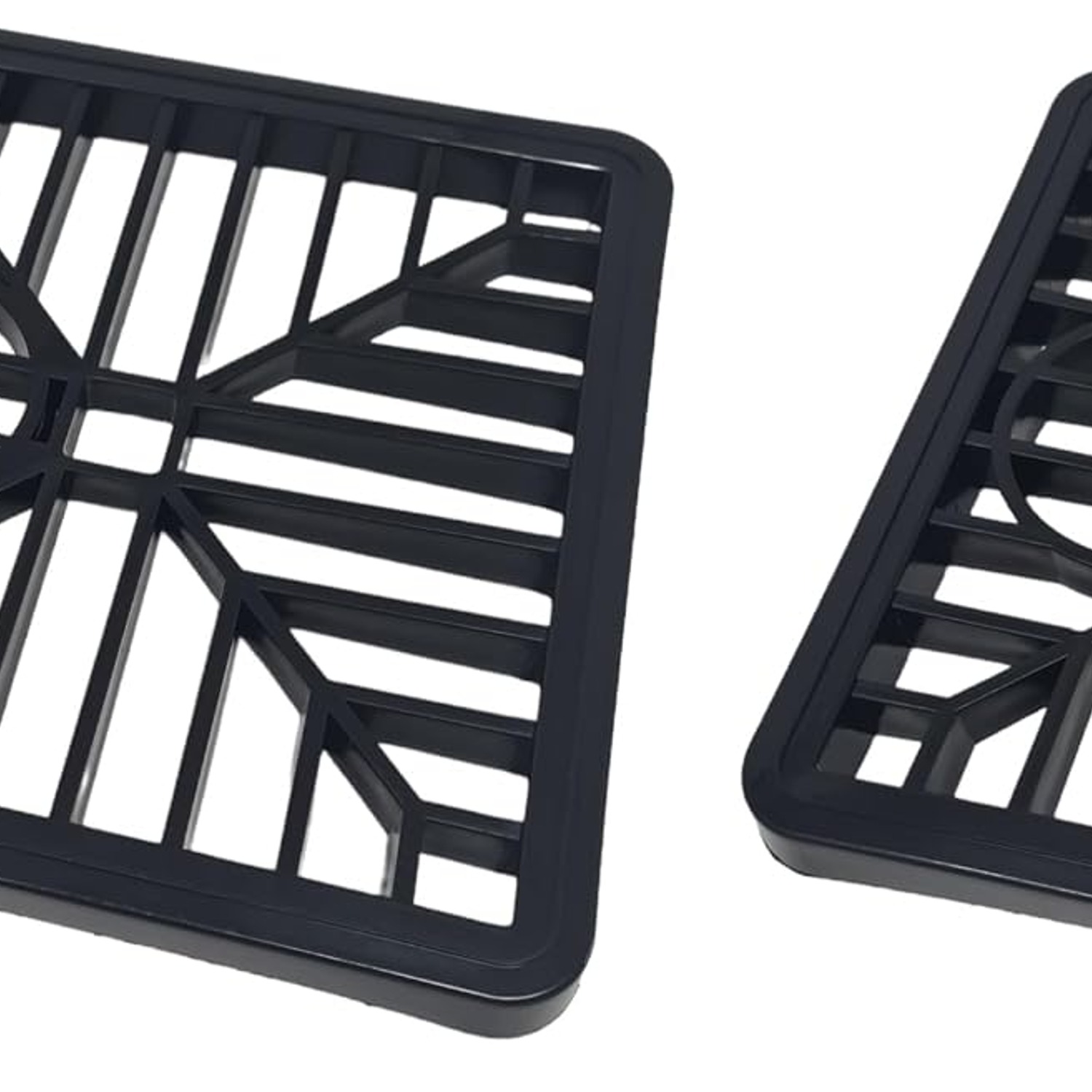
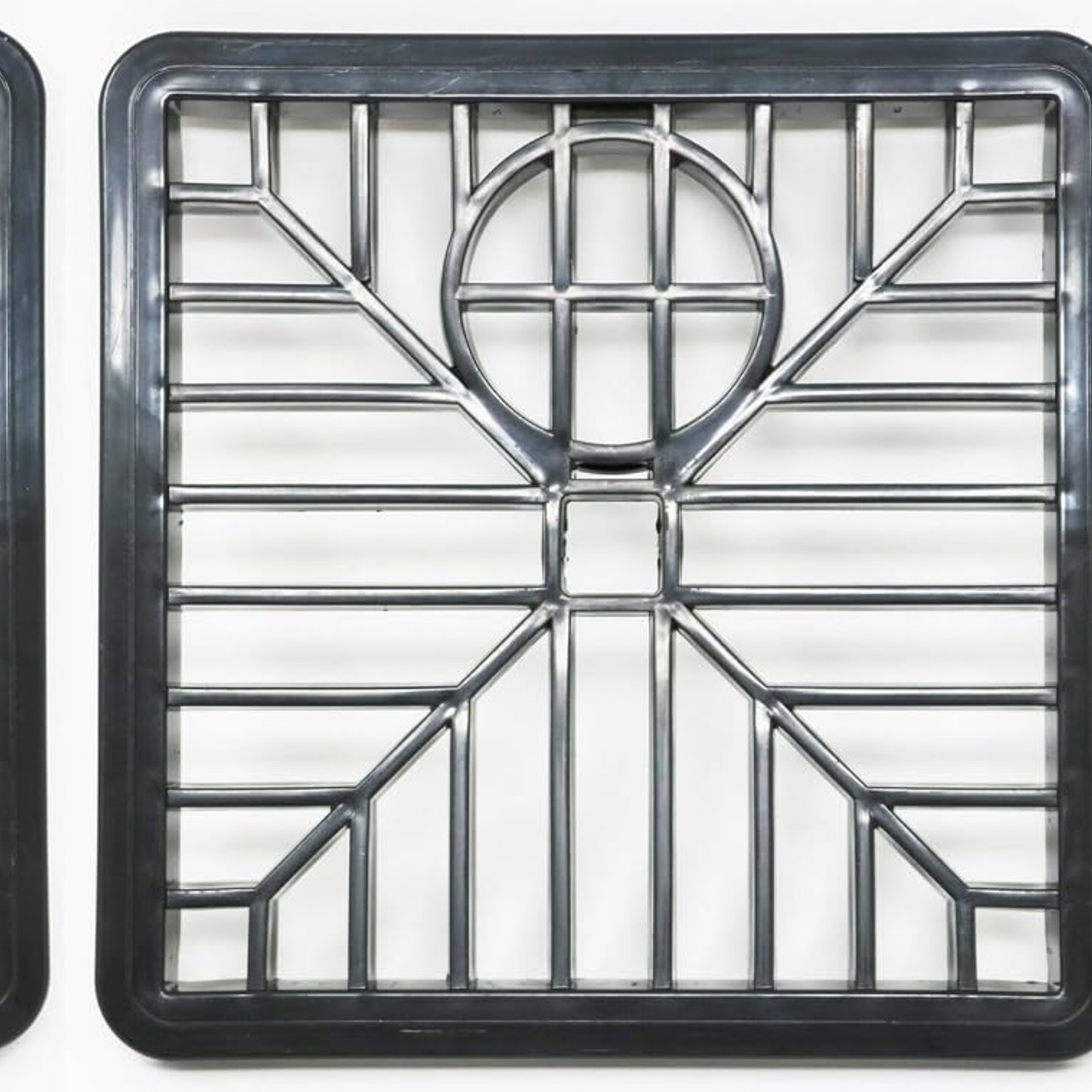
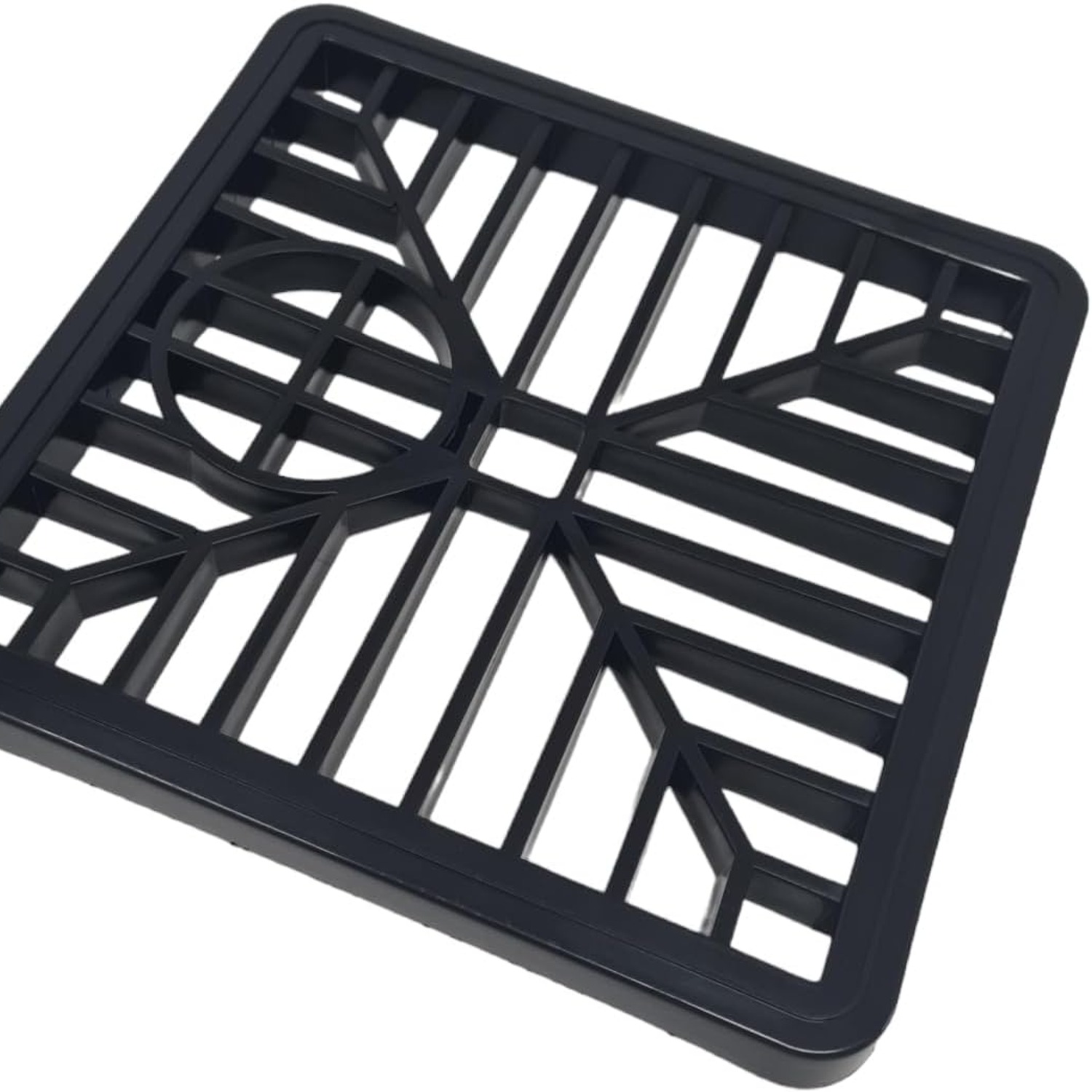
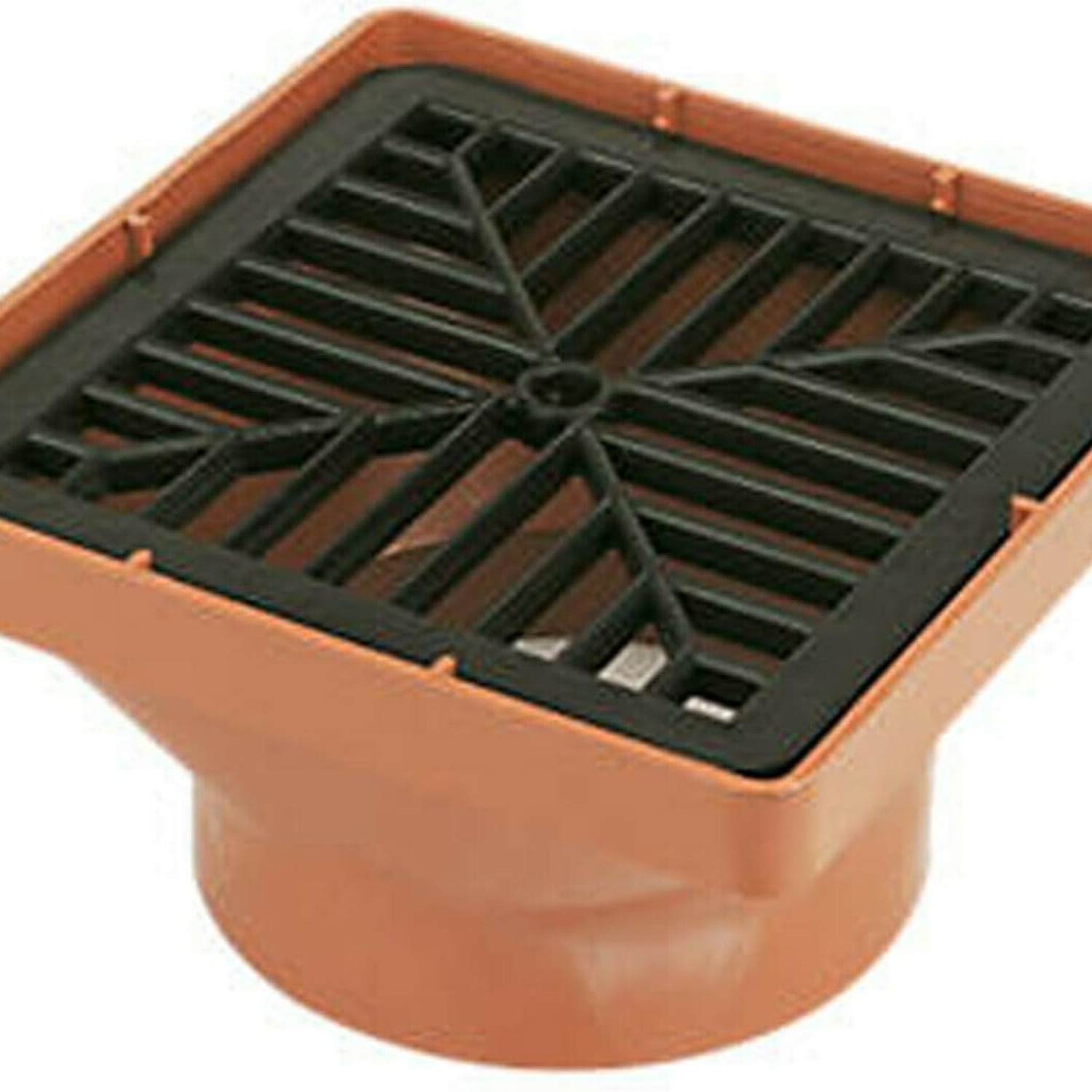
PVC Gully Grid | Square Drain Cover 150mm | Plastic Gully Grate

PVC Gully Grid 150mm Square Drain Cover

£12.99 £15.99 Save £3
  • 150mm Square Fit
  • Holds Back Debris
  • Light To Lift
  • Low Profile

Price: £12.99 £15.99

  • Free tracked delivery across the UK on orders £60+, otherwise a flat £6.95
  • Pay by card or PayPal, handled by the payment provider
  • 14 days to change your mind, plus your statutory rights
Product specifications
Dimensions15 x 15 x 1.1 cm
Nominal Size150mm square
BrandfiXte
Part Number68164
Model Number68164
ConditionNew
TypeGully grid / drain cover
Shipping & returns

Tracked delivery anywhere in the UK. It is free on orders of £60 or more, and a flat £6.95 below that.

Under the Consumer Rights Act 2022 you have 14 days from delivery to cancel for any reason, and a further 14 days to send it back in resaleable condition. We refund the price you paid, including standard delivery. You cover the cost of returning it unless the item is faulty.

If it arrives faulty, damaged or not as described, we put it right at no cost to you under the Consumer Rights Act 2022 and the EU Sale of Goods Directive 2019/771, return postage included.

Shipping details · Refunds and returns

150mm Square FitMeasures 15 x 15 cm, a common size for domestic gully openings.
Holds Back DebrisSlotted grate face keeps leaves and grit out of the gully below.
Light To LiftMoulded plastic build makes clearing the drain a one-hand job.
Low ProfileJust 1.1 cm deep, so it sits flat without creating a trip edge.

Keep leaves, grit and stray debris out of your outside drain with a PVC gully grid that drops straight into place.

A 15 x 15 cm square drain cover in moulded plastic, slim at just 1.1 cm deep, light to handle and simple to lift out whenever the gully underneath needs a clear.

This PVC gully grid is a 15 x 15 cm square drain cover made to sit over a standard domestic gully opening.

The slotted face lets rainwater run straight through while leaves, twigs and grit stay on top where you can sweep them away.

At only 1.1 cm deep it sits low and flat, so it doesn't stand proud of paving or create an obvious edge underfoot.

Plastic construction means it won't rust or stain the surrounding stonework the way an old metal grate can.

It lifts out by hand in seconds, which makes rodding or clearing the gully underneath far less of a chore.

PVC Gully Grid 150mm Square Drain Cover

Outside drains are one of those things nobody thinks about until they stop working. A gully sits at the base of a downpipe or beside a patio and takes the rainwater away. When the grid over the top goes missing, cracks or rusts through, everything that blows across the garden ends up in the trap below. This PVC gully grid is the simple fix, a 15 x 15 cm square drain cover that drops over the opening and gets on with the job.

PVC Gully Grid 150mm Square Drain Cover

The size is the part that matters most. At 15 x 15 cm it matches the common 150mm square gully opening used on a lot of houses, and the 1.1 cm depth keeps it sitting low in the frame rather than perching on top. Before you order, take a tape measure to the opening you want to cover, measuring the inside of the recess rather than the outer edge of the surrounding stone or concrete.

PVC Gully Grid 150mm Square Drain Cover

Plastic has real advantages here. A cast iron grate looks solid but sits in standing water all winter, and once it starts to corrode it stains the paving around it with rust marks that are very hard to shift. A plastic gully grate doesn't have that problem. It won't rust, it won't weld itself into the frame with corrosion, and it stays light enough to lift with one hand even when it's wet and covered in leaf mulch.

PVC Gully Grid 150mm Square Drain Cover

Fitting is about as easy as home maintenance gets. Clear any silt from the recess, check the grid drops in level, and that's it. There's no cutting, no fixings and no cement unless you decide you want one. Some people bed theirs on a thin ring of mortar for a snug fit in an odd-shaped recess, and others prefer to leave it loose so it lifts straight out for cleaning.

Where a grid earns its keep is autumn. Leaf fall is what blocks most domestic gullies, and a grate that holds the leaves on the surface turns a rodding job into a quick sweep. Keep an eye on it after storms, lift it and rinse the slots every few weeks, and the drain underneath will keep running the way it should.

Not sure yet? That is fine.

Getting the size right matters more than anything on this page, and if it turns out not to fit, we make it easy to change your mind. Under the Consumer Contracts Regulations 2013 you have 14 days from delivery to cancel for any reason, and a further 14 days to send it back unused and in resaleable condition. We refund the price you paid, including standard delivery.

If it turns up faulty, damaged or not as described, that is on us. The Consumer Rights Act 2015 covers you, and we pay the return postage. Read the full detail on our refunds and returns page, or ask us anything before you order.

Frequently Asked Questions

What exactly is a gully grid?

A gully grid is the grate that covers the opening of an outside drain. It lets rainwater run into the gully below while stopping leaves, stones and other debris from falling in. Without one, the trap underneath fills up quickly and the drain backs up.

What size is this drain cover?

It measures 15 x 15 cm with a depth of 1.1 cm, which is a nominal 150mm square. That's one of the most common domestic gully sizes. Measure the inside of your recess before ordering to be sure it matches.

Will it fit a 150mm gully opening?

It's made for a 150mm square opening, so in most cases yes. Openings vary slightly between builders and eras, so measure the recess rather than the outer stonework. A few millimetres either way usually still works, but a badly undersized recess won't accept it.

How deep does it sit?

The grid is 1.1 cm deep. That means it sits low in the recess rather than standing proud of the paving. It's a useful depth if you want the best lightweight drain cover that doesn't create a trip edge across a path.

What's it made from?

It's a moulded plastic gully grate, hence the PVC name. The exact plastic grade isn't specified in this record. What matters day to day is that plastic won't rust or stain the paving around it.

Is it strong enough to walk on?

It's designed as a domestic drain cover for foot traffic areas like patios, paths and side passages. No load rating is specified in this record, so treat it as a pedestrian cover rather than a vehicle-rated one. Don't drive over it.

Can I use it on a driveway?

If cars pass over the spot, you want a load-rated grate instead. No load class is stated for this product. It's better suited to the edge of a drive, a footpath or a patio where only people walk.

Does it stop leaves getting into the drain?

That's the main job. The slotted face holds leaves and twigs on the surface where you can sweep or lift them away. It's one of the simplest ways to cut down blockages if you're after the best leaf guard for drains.

Will water still drain through properly?

Yes, the open slots let rainwater pass straight into the gully. Flow only becomes an issue if the slots clog with leaf mulch or silt, which is why a quick rinse every few weeks helps. Clear it after heavy leaf fall in particular.

Is it a replacement for a broken cast iron grate?

It's a common swap. Old iron grates rust, crack and sometimes seize into the frame. A replacement gully grid in plastic goes back in easily and won't corrode into place the next time you need to lift it.

How do I remove an old rusted grate first?

Work around the edges with a flat bar or old screwdriver to break the rust bond, then lift with gloves on. Clear any loose rust and silt out of the recess so the new grid seats flat. Take your time, corroded iron can be sharp.

Do I need to cement it in?

Not usually. Most people drop it in loose so it can be lifted for cleaning. If your recess is a slightly odd shape, a thin bed of mortar around the rim can steady it, though that makes future removal harder.

Does it come with any fixings?

No fixings are listed for this product. It's designed to sit in the recess under its own weight. If you need it secured against theft or high wind, you would add your own solution.

Will it blow away in a storm?

It's a light plastic cover, so in a very exposed spot it's worth checking after high winds. Once it's seated properly in a recessed opening it generally stays put. A dab of mortar or a small clip can add security if you're concerned.

What colour is it?

The colour isn't specified in this record. Product images show the item as supplied. If exact colour matching matters for a visible patio location, allow for that.

How much does it weigh?

The weight isn't specified in this record. It's a small moulded plastic part measuring 15 x 15 x 1.1 cm, so it's light enough to lift and reposition with one hand.

Can I use it under a downpipe?

Yes, that's one of the usual spots. A downpipe gully cover catches the roof debris that washes down with the rain, especially moss and grit from the tiles. Check it after storms when the roof has shed the most material.

Is it suitable for a rainwater gully?

It works as a rainwater gully grid on standard domestic surface drains. It isn't designed for foul waste chambers or inspection covers, which need sealed or rated covers. Match the cover type to the drain type.

How do I clean it?

Lift it out and rinse it under a hose or tap. A stiff brush and warm soapy water will clear anything stuck in the slots. Give the recess below a scrape at the same time while you've access.

How often should I clear it?

Every few weeks is plenty for most homes, more often during autumn leaf fall. If your drain sits under a tree, a quick weekly sweep of the surface stops the slots from silting over. Regular small checks beat one big unblocking job.

Will it go brittle in cold weather?

Plastic drain covers live outdoors year round and handle normal weather. Don't stamp on it or lever it hard when it's frozen into a recess, pour a little warm water around the rim first. Handled sensibly it should last well.

Can I paint it?

You can, with a paint suited to plastic and outdoor use, though most people leave it as supplied. Keep paint out of the slots so you don't reduce the open area. Any finish will weather over time outdoors.

Will it stain my paving?

Plastic doesn't rust, so you avoid the orange staining that old iron grates leave behind on stone and concrete. That's a common reason people switch to the best plastic drain grate they can find. General dirt still washes off as normal.

Can I cut it down to fit a smaller opening?

It's moulded plastic, so trimming with a fine saw is possible, but the result is rarely neat and you lose the finished edge. It's far better to measure first and pick a size that suits. Cutting is a last resort.

Do I need more than one?

One per drain opening. Many homes have two or three gullies, one at each downpipe plus probably one by a back door. Buying a couple at once saves you doing the job twice.

Is it safe around children and pets?

The slotted design covers the open drain, which is the main safety concern with a missing grate. Keep an eye on it if you've small children playing nearby, as a loose-seated cover can be lifted. Check it sits flat and level in the recess.

Does it fit a round drain?

No, this is a square cover for a square recess. Round gully openings need a round grid of the matching diameter. Measure the opening shape as well as the size before you order.

How is it delivered?

It ships as a standard small parcel to the delivery address you enter at checkout. Delivery times depend on your country storefront and are shown at checkout. There's nothing to assemble on arrival.

Does it make a good practical gift?

It's a useful stocking filler for anyone who has just moved into an older house, alongside a drain rod set or a garden brush. It's more helpful than exciting, but that's often the point. Most people never think to buy one until the drain floods.

How To Choose A Gully Grid For Your Outside Drain

6 min read Manhole Cover UK

The drain nobody looks at until it floods

There's a small square drain at the bottom of most downpipes. It has a grate over the top, water goes in, and that's the last thought anyone gives it. Then one wet autumn the water starts pooling on the path instead of going down, and you go out with a torch to find the grate has rusted through, cracked in half, or vanished entirely.

Once the cover is gone, the gully underneath fills fast. Leaves, moss washed off the roof, grit, small stones, the odd bottle cap. All of it drops into the trap, and a trap full of silt can't take the water from a heavy shower. The result is a puddle by the back door and, in bad cases, water finding its way somewhere it shouldn't.

A PVC gully grid solves the problem at the surface, which is the cheapest place to solve it. Debris stays on top where a brush can shift it. Water goes through. The trap below stays clear.

What a gully grid actually does

The grate is a filter, not a lid. Its job is to keep the solid stuff out while letting the wet stuff through. The slots need to be wide enough that rain drains fast during a downpour, and narrow enough that leaves and twigs bridge across rather than slipping between them.

The second job is safety. An open drain recess is a hole in your path. It's a shin-scraper at best and a proper trip hazard at worst, particularly for older visitors or anyone carrying shopping. A cover seated flat in the recess removes that.

The third job is access. A good grid lifts straight out. When the gully does eventually need a clear, or when you want to run a rod down the pipe, you want to be able to pull the cover off with one hand rather than chipping mortar away with a bolster.

Plastic versus metal

Traditional grates were cast iron, and they look right on an older property. The trouble is that they sit in a wet recess all year. Iron in standing water rusts, and rust does two things you won't enjoy. It bleeds orange staining onto the stone or concrete around the drain, which is very stubborn to remove. And it expands, which welds the grate into its frame so the next person to lift it has a fight on their hands.

Plastic sidesteps both. A plastic gully grate doesn't corrode, so no staining and no seizing. It stays light, which sounds trivial until you're crouched on wet paving in November trying to free something. It's also cheap enough that replacing it in five or ten years is no hardship.

The trade-off is strength. Cast iron takes a beating. Plastic is fine for people walking over it, but it isn't a vehicle cover. If a car crosses that exact spot, you need a load-rated grate designed for it, not a domestic cover.

Getting the size right

This is where most orders go wrong, and it's easily avoided. This grid is 15 x 15 cm, a nominal 150mm square, and 1.1 cm deep.

Measure the inside of the recess, not the outer edge of the surrounding stone. Put the tape across the opening in both directions, because older recesses aren't always perfectly square. Then check the depth of the rebate the cover has to sit in. A shallow rebate with a deep cover leaves the grid standing proud, which catches toes and brush bristles. A deep rebate with a thin cover leaves it sitting low, which is usually fine but collects a little more silt around the rim.

If your measurements land between standard sizes, look at what's actually holding the cover. Sometimes the frame itself is the problem and replacing that gives you a clean, standard opening to work with.

Round openings need round covers. It sounds obvious, but plenty of people order a square grid for a circular drain and only notice on the doorstep.

Fitting it

There's not much to it. Clear the recess of silt, leaf mulch and any fragments of the old grate. A trowel and a stiff brush do the job. Check the seating is reasonably level, because a cover rocking on a lump of debris will rattle every time someone walks over it.

Drop the grid in. Press down at each corner to confirm it sits flat. That's the whole installation.

Some people prefer to bed the grid on a thin ring of mortar, particularly where the recess is oversized or irregular. It gives a snug, quiet fit. Just remember you're trading away easy removal, so only do it if you're happy to break the mortar next time the drain needs rodding. For most homes, loose is better.

Keeping it working

A grid only helps if the slots are open. Silted-over slots shed water off the side of the drain instead of into it, which is worse than no cover at all.

The routine is simple. Every few weeks, sweep the surface. Every couple of months, lift the grid out, rinse it under a hose, and scrape any build-up out of the recess below while you've the access. A stiff brush and warm soapy water clears anything stuck in the slots.

Autumn is the season that matters. Leaf fall is the single biggest cause of blocked domestic gullies, and a weekly sweep through October and November saves a great deal of bother in December. If your drain sits under a tree, make it part of the same round as clearing the gutters.

In freezing weather, don't lever a frozen cover out. Pour a little warm water around the rim and let it release on its own. Plastic handles the cold fine, but nothing likes being forced.

Who this suits

It's the right choice for a domestic surface water drain in a pedestrian area. Beside a patio, at the foot of a downpipe, along a side passage, by a back door, in a garden path. If you're replacing a rusted iron grate on an older house, this is the straightforward swap.

It isn't the right choice where vehicles cross, where the drain is a foul waste chamber needing a sealed cover, or where a specific load class is required by regulation. In those cases you want a properly rated product and, if you're unsure, a word with a drainage contractor.

Most homes have more than one gully. If you're ordering, it's worth walking round the house first and counting them, because the second and third grate are almost always the same age and condition as the one that just failed.

The short version

Measure the inside of your drain recess in two directions. If it comes out at roughly 15 x 15 cm, this grid is made for it. Clear the recess, drop the cover in, and check it sits flat.

After that, sweep the surface now and then and lift it for a rinse every couple of months, more often in autumn. It's a small, cheap part doing a job that saves you standing water, a smelly trap and an afternoon with a set of drain rods.

Browse the shop

Not sure it'll fit?

Measure the inside of your drain recess in two directions before you order, and get in touch if the numbers look borderline.

Ask us a question

Page summary

The PVC Gully Grid is a square plastic drain cover branded fiXte, part number 68164. It measures 15 x 15 x 1.1 cm, matching a nominal 150mm square gully opening, and is designed to sit over a domestic outside drain or gully at the base of a downpipe, beside a patio or on a driveway. The slotted grate face allows rainwater through while holding back leaves, twigs and grit. The low 1.1 cm profile keeps it close to flush with surrounding paving. It lifts out by hand for cleaning and for access when rodding the gully below. Colour, material grade, weight and country of origin aren't specified in this record. No warranty is stated in this record.