Manhole Cover UK
Company
Shop By Category
T&Cs
Shop Online
  • Sized for the common 600 x 450 mm chamber opening. Measure yours first
  • Free tracked delivery across the UK over £60
  • 14-day returns

Gravel Grid | Driveway Gravel Grids | Gravel Stabilisation Grid

ECODECK Gravel Grid Ground Stabilisation Panels (16 Pack)

£87.99 £105.99 Save £18
  • Sixteen Panel Pack
  • 25 Ton Capacity
  • Snap Together Edges
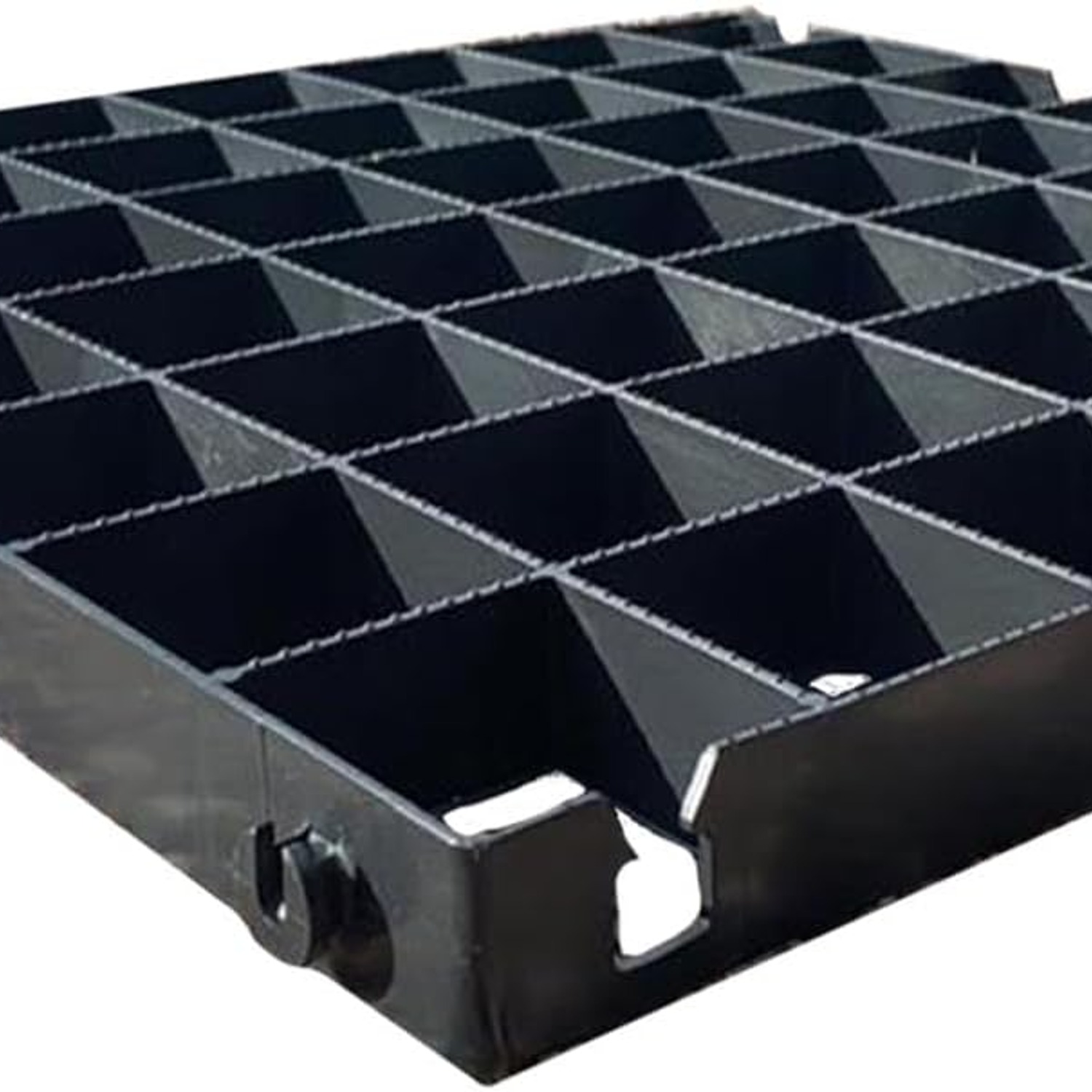
  • 49 Gravel Pockets

Price: £87.99 £105.99

  • Free tracked delivery across the UK on orders £60+, otherwise a flat £6.95
  • Pay by card or PayPal, handled by the payment provider
  • 14 days to change your mind, plus your statutory rights
Product specifications
BrandECODECK
Model NumberECODECK
Manufacturer Part NumberR6-LBFN-UOZ6
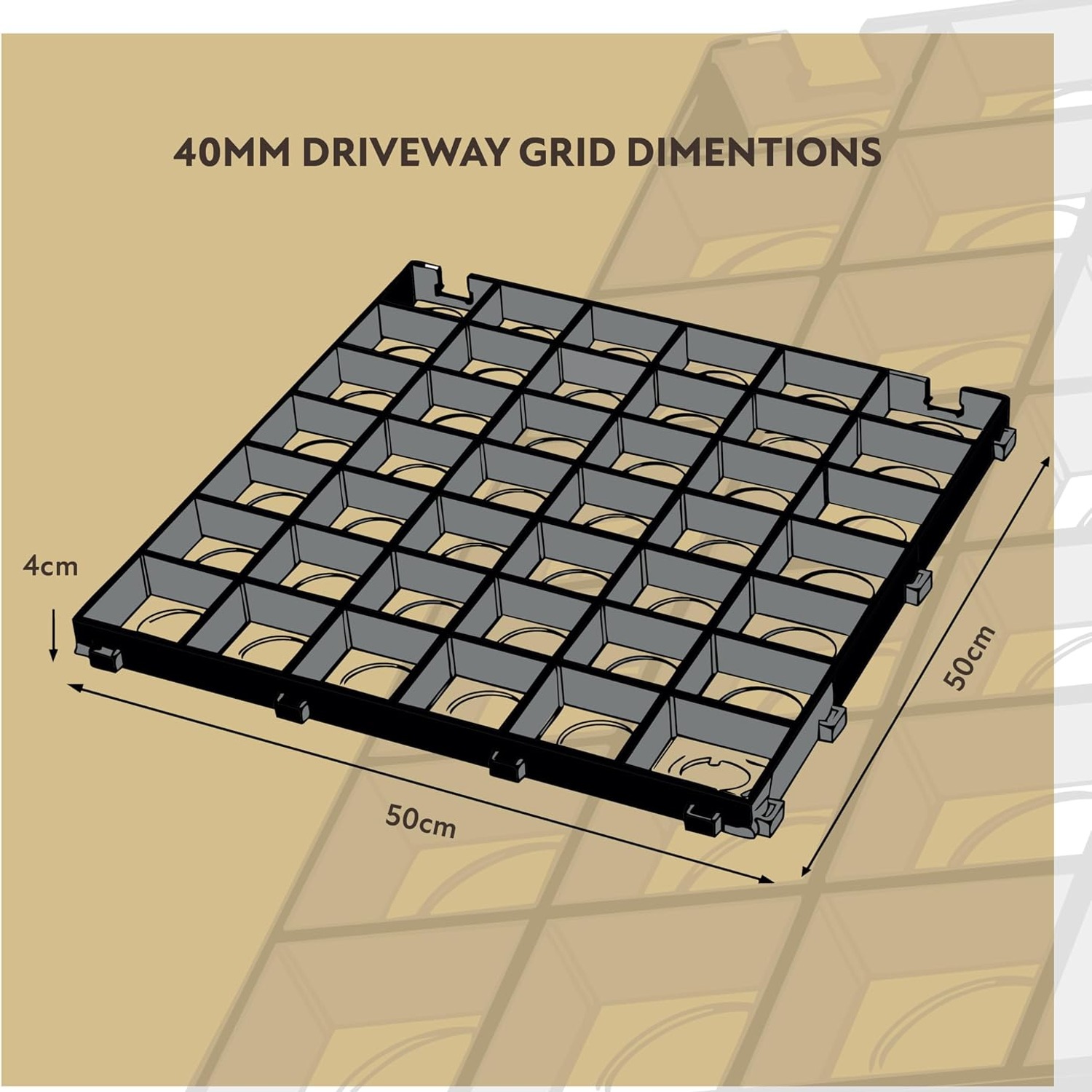
Panel Size50cm x 50cm x 4cm
Item Dimensions (L x W x H)50 x 50 x 4 cm
Number of Panels16
ColourBlack
Cover MaterialPlastic
Frame MaterialPlastic
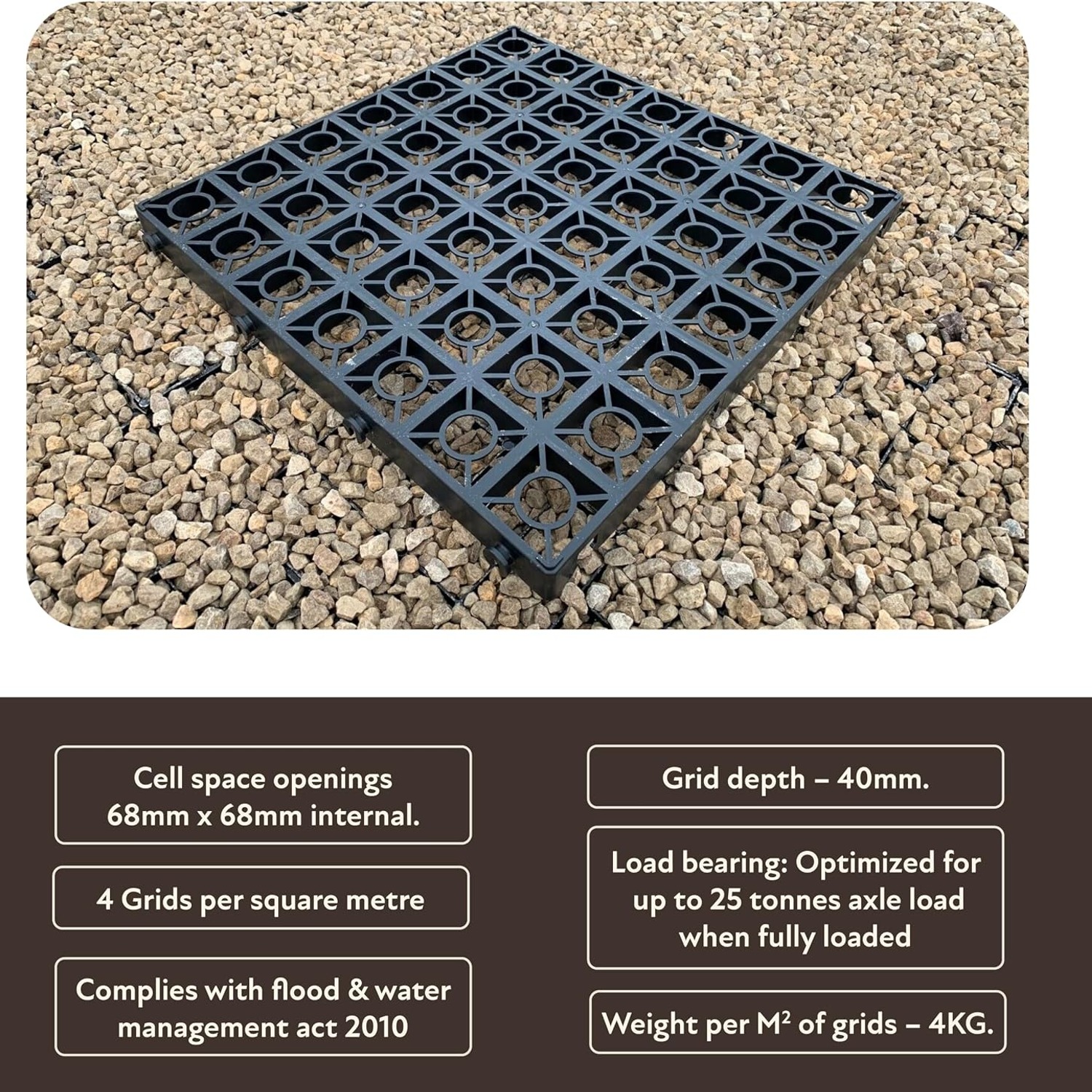
Weight CapacityMaximum weight, 25 tons
Indoor / Outdoor UseOutdoor
Item Weight4.41 Pounds
Shipping Weight2 kg
UPC722589105753
Weight2 kg
Shipping & returns

Tracked delivery anywhere in the UK. It is free on orders of £60 or more, and a flat £6.95 below that.

Under the Consumer Rights Act 2022 you have 14 days from delivery to cancel for any reason, and a further 14 days to send it back in resaleable condition. We refund the price you paid, including standard delivery. You cover the cost of returning it unless the item is faulty.

If it arrives faulty, damaged or not as described, we put it right at no cost to you under the Consumer Rights Act 2022 and the EU Sale of Goods Directive 2019/771, return postage included.

Shipping details · Refunds and returns

Sixteen Panel PackSixteen 50cm squares cover a useful patch of drive or path in one go.
25 Ton CapacityRated to a maximum weight of 25 tons for cars, vans and heavier vehicles.
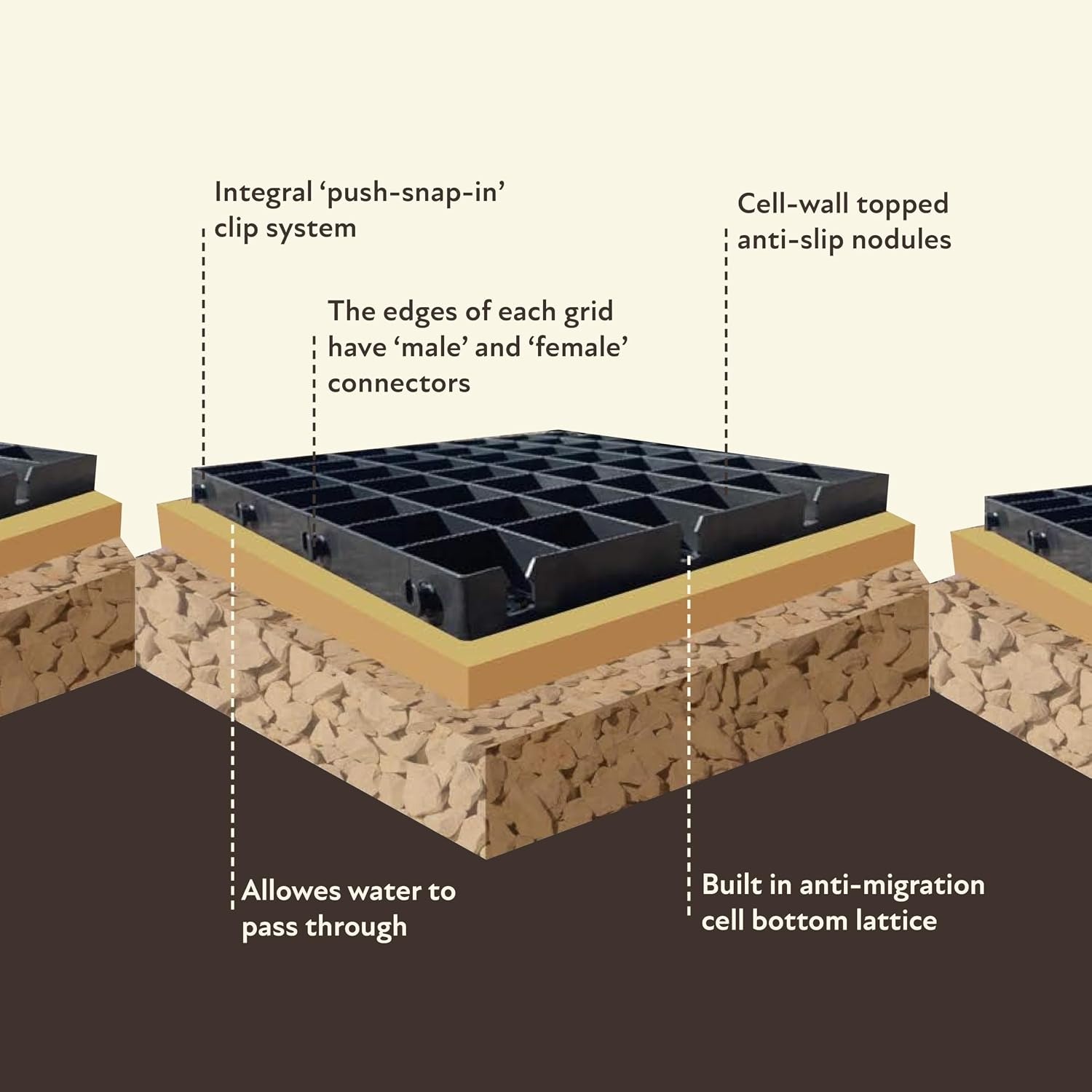
Snap Together EdgesJigsaw-style edges push and lock, so no clips or tools are needed.
49 Gravel PocketsEach panel holds gravel in separate cells so stone stops migrating.

Keep loose stone exactly where you put it with a gravel grid system that turns a shifting surface into a firm, level drive you can park on.

Sixteen interlocking 50cm x 50cm x 4cm panels snap together jigsaw-style, each holding 49 gravel pockets, with a rated weight capacity of up to 25 tons.

This 16 pack gravel grid locks loose stone into individual pockets so your surface stays flat instead of drifting into ruts and piles.

Each panel measures 50cm x 50cm x 4cm and carries 49 square cells that hold gravel steady under foot and tyre traffic.

The panels snap together with jigsaw-style edges, so laying an area is a push-and-click job rather than a fiddly assembly.

With a stated maximum weight capacity of 25 tons, the grid suits driveways, parking bays, paths and garden building bases.

Made from plastic in black, the grid stays hidden once filled, leaving a clean gravel finish on view.

ECODECK Gravel Grid Ground Stabilisation Panels (16 Pack)

Loose gravel looks great on day one and then starts to move. Cars push it into ridges, feet kick it onto the lawn, and within a season you've bald patches over the membrane and a lumpy strip down the middle. A gravel grid fixes the cause rather than the symptom. Instead of one loose layer that can slide, the stone sits in hundreds of small pockets that hold it in place, so the surface you laid is the surface you keep.

ECODECK Gravel Grid Ground Stabilisation Panels (16 Pack)

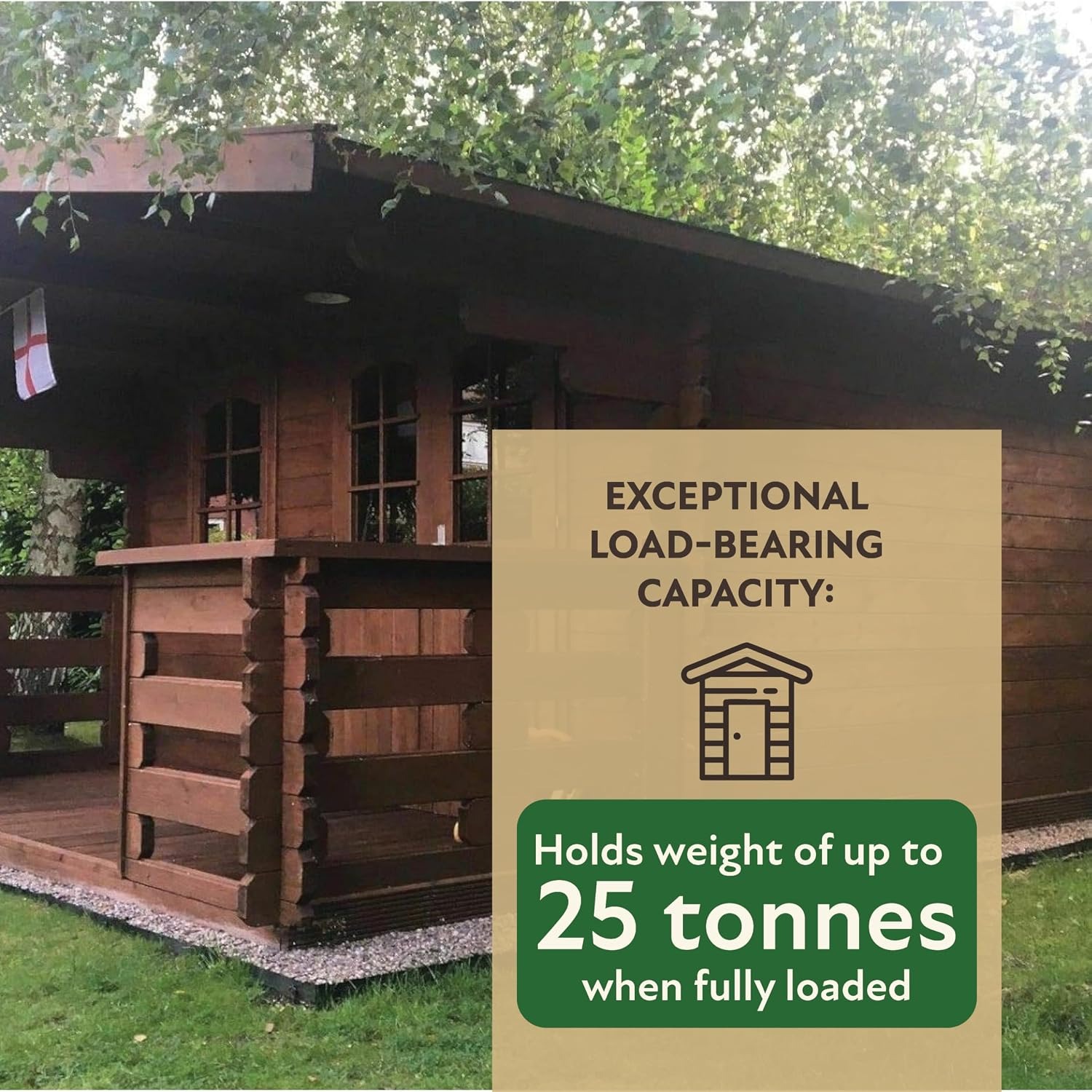
Each panel in this pack is a 50cm square, 4cm deep, divided into 49 individual cells. Fill the cells and the plastic disappears under the stone, leaving a normal gravel look with none of the normal gravel behaviour. Because the load spreads across the whole panel rather than pressing into a single point, tyres roll over it instead of digging in. The stated weight capacity is a maximum of 25 tons, which covers ordinary cars and vans as well as heavier vehicles like a delivery lorry turning on a drive.

ECODECK Gravel Grid Ground Stabilisation Panels (16 Pack)

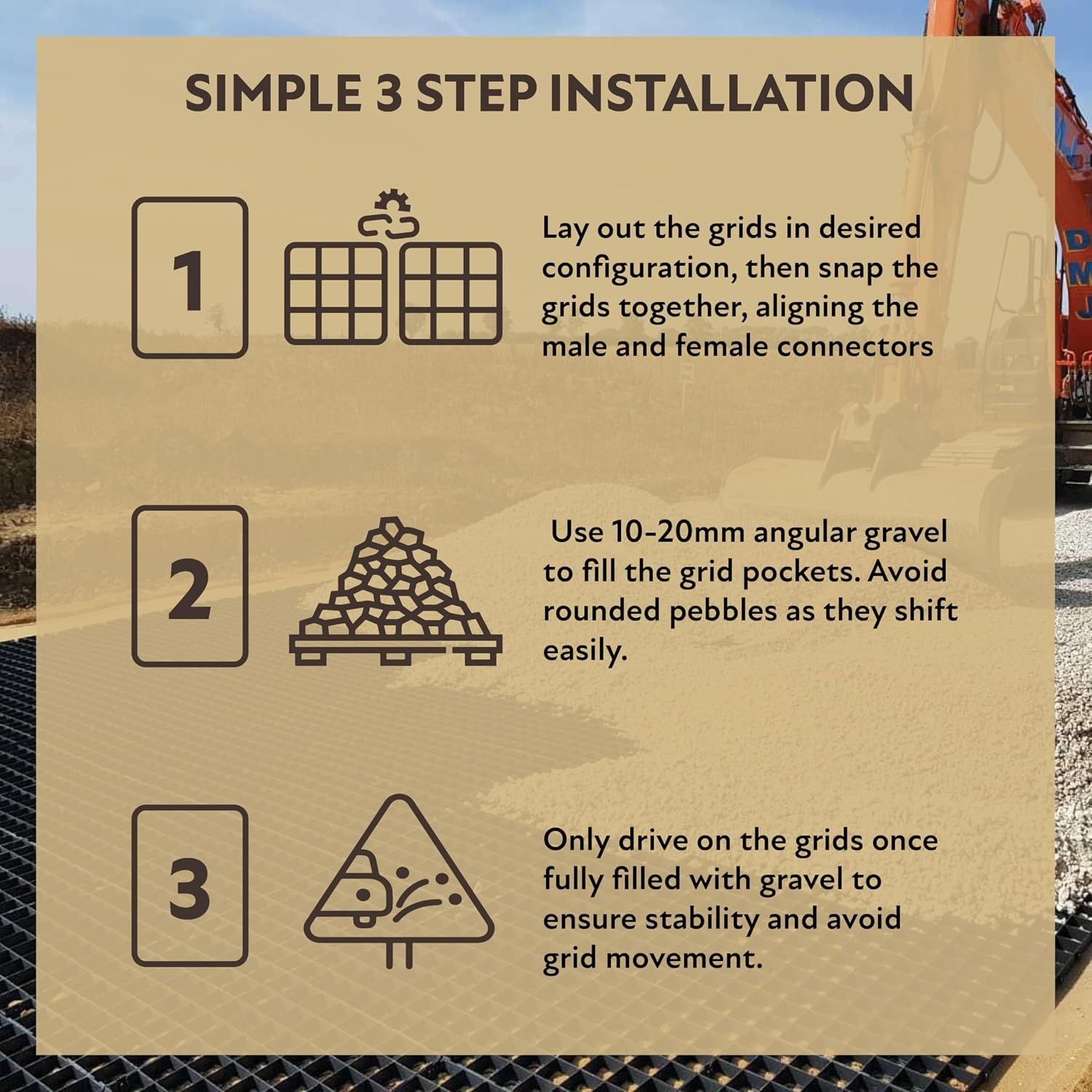
Laying the grid is the part most people worry about, and it's genuinely simple. The panel edges are cut jigsaw-style, so one panel pushes into the next and locks. There are no clips to lose, no screws, and no special tools. Sixteen panels in the pack means you can work in a sensible rhythm, laying a run, checking your line, and carrying on. Cutting a panel to fit an awkward edge is done with a normal handsaw or a jigsaw.

ECODECK Gravel Grid Ground Stabilisation Panels (16 Pack)

The grid works just as well away from the driveway. A shed base grid needs to stay level and drain freely, and a filled gravel grid does both. The same is true for greenhouse bases, bin stores, side paths, caravan hardstandings and the corner of the garden where the bins get dragged in and out. Anywhere loose stone gets pushed around is a candidate for a gravel retention grid.

ECODECK Gravel Grid Ground Stabilisation Panels (16 Pack)

The panels are plastic and finished in black, which is the right colour for something that spends its life under stone. Water passes through the open structure rather than sheeting off, which is one of the reasons a permeable driveway grid is often preferred to a solid slab. Beyond the occasional rake and a top up of gravel when the level drops, there's very little to do once it's down.

Not sure yet? That is fine.

Getting the size right matters more than anything on this page, and if it turns out not to fit, we make it easy to change your mind. Under the Consumer Contracts Regulations 2013 you have 14 days from delivery to cancel for any reason, and a further 14 days to send it back unused and in resaleable condition. We refund the price you paid, including standard delivery.

If it turns up faulty, damaged or not as described, that is on us. The Consumer Rights Act 2015 covers you, and we pay the return postage. Read the full detail on our refunds and returns page, or ask us anything before you order.

Frequently Asked Questions

What exactly is a gravel grid?

It's a rigid plastic panel divided into small open cells that you lay on a prepared base and fill with gravel. The cells hold each pocket of stone separately, so the gravel can't slide sideways. The result looks like an ordinary gravel surface but behaves like a firm one.

How many panels are in this pack?

The pack contains 16 panels. Each one measures 50cm x 50cm x 4cm, so the panels are a straightforward size to plan around when you're working out how many packs you need.

How many gravel pockets does each panel have?

Each panel is divided into 49 individual pockets. Splitting the surface into that many small cells is what stops stone travelling under load.

What weight can the grid take?

The listed weight capacity is a maximum of 25 tons. That covers domestic cars and vans comfortably, and extends to heavier vehicles that need to drive on or turn on the surface.

Do I need tools to join the panels?

No tools are needed to connect them. The edges are cut jigsaw-style, so you push one panel into the next and it locks. You'll only reach for a saw if you need to cut a panel to fit an edge.

What's the panel made from?

Both the cover material and frame material are listed as plastic, finished in black. Once the cells are filled with stone the plastic sits below the gravel line and is barely visible.

Is this suitable for a driveway?

Yes, driveways are one of the main uses for driveway gravel grids. The grid spreads vehicle load across the panel rather than letting tyres press into a single spot, which is what causes ruts in loose gravel.

Can I use it as a shed base?

It works well as a shed base grid. Fill the cells, level the surface, and you've a firm, free-draining platform for a shed, greenhouse or log store without pouring concrete.

What size gravel should I use?

Angular stone in roughly the 10mm to 20mm range is the usual choice, because angular pieces knit together and stay put. Very fine grit tends to wash through and very large stone won't settle neatly into the pockets.

How much gravel will I need?

The cells are 4cm deep, so plan on enough stone to fill that depth plus a light covering over the top to hide the plastic. Your gravel supplier can convert your area and depth into a tonnage or a number of bags.

What goes underneath the grid?

For a driveway you want a compacted sub-base of crushed stone, levelled with a thin layer of sharp sand or grit, and usually a weed membrane. For a light path or shed base, a compacted and levelled bed with a membrane is often enough.

Do I need a weed membrane?

A membrane under the grid is strongly recommended. It stops weeds pushing up through the pockets and keeps the gravel from mixing into the soil below, which is what causes a surface to sink over time.

Will water drain through it?

Yes, the open cell structure lets water pass straight down into the base rather than running off. That's one reason a permeable driveway grid is often chosen over a solid, sealed surface.

Can the panels be cut?

They can. A handsaw or a jigsaw will trim a panel to fit against a wall, a kerb or a curved edge. Cut on a firm surface and support the panel so it doesn't flex while you work.

Is it suitable for outdoor use?

Yes, the product is listed for outdoor use. It's designed to sit permanently in a driveway, path or base rather than indoors.

Will the black plastic show through the gravel?

Not if the cells are filled properly and topped with a shallow layer of stone. Black was chosen precisely because it disappears into the shadow between stones if any edge does peek through.

Can I use it on a slope?

A gravel stabilisation grid is a big help on gentle slopes because it stops stone washing downhill in heavy rain. For steeper gradients, get advice on edge restraint and base preparation before you start.

Do I need edging around the grid?

Some form of edge restraint, such as timber, kerb or a firm border, is a good idea on open sides. It keeps the outer panels from creeping and gives the finished area a tidy line.

How long does installation take?

The grid itself goes down quickly once the base is ready. Most of the work in any gravel driveway stabiliser project is the digging out, the sub-base and the compaction, not the panels.

Can I drive on it straight away?

Once the cells are filled and the surface is levelled you can use it. Drive gently for the first few passes so the stone settles evenly across the pockets.

How do I keep it looking tidy?

Rake the surface occasionally to even out the stone and top up where the level has dropped below the top of the grid. Pull weeds by hand and hose off mud when needed.

What happens if a panel gets damaged?

Because the panels lock together rather than being bonded, a single damaged panel can be lifted out and replaced once the gravel around it's scraped clear. That's easier than repairing a solid surface.

Is it good for a garden path?

Yes, a gravel pathway grid keeps stone out of your borders and gives a firmer footing for walking, wheelbarrows and pushchairs. It's one of the most popular non-driveway uses.

Can I use it for a parking bay?

A parking area gravel grid is a common application. With the base done properly and the stated 25 ton capacity, a standard domestic parking bay is well within range.

Will it stop gravel getting onto my lawn?

It makes a big difference. Most stone ends up on the lawn because tyres and feet push it sideways, and holding the gravel in pockets removes that movement.

How heavy is the pack?

Item weight is listed as 4.41 pounds and the shipping weight is given as 2 kg. The panels are light to handle on site, which is one of the reasons a single person can lay an area alone.

How is it delivered?

The pack is shipped to your address by our carrier network. You'll get tracking details by email once the order leaves the warehouse.

Can I order more than one pack?

Yes. Work out your area, divide by the coverage of one panel, and order enough packs to cover it with a little spare for cuts and awkward corners.

Does it make a good gift?

It's a practical present for anyone tackling a drive, shed base or muddy path. Most keen gardeners and DIYers appreciate something that solves a real, ongoing annoyance.

What if it isn't right for my project?

If the grid doesn't suit your site, contact us and we'll talk you through the return process. Keep the panels in their packaging and unfilled, and get in touch within the returns window shown at checkout so we can arrange the next step.

Gravel Grid Buyer's Guide, How To Stop Loose Stone Moving For Good

6 min read Manhole Cover UK

The problem with loose gravel

Gravel is one of the cheapest and best looking surfaces you can put down. It drains, it crunches nicely underfoot, it suits almost any house, and it costs a fraction of what block paving does. The trouble is that gravel doesn't stay where you put it.

Give it a few months of car tyres and you get a ridge down the middle and two shallow trenches where the wheels run. Feet drag it into the house. Rain shifts it downhill. The membrane starts showing through in patches, and the whole thing looks tired long before it should. Then you buy another bulk bag, rake it out, and start the cycle again.

A gravel grid breaks that cycle. Rather than trying to hold one loose layer in place with edging alone, it divides the surface into hundreds of small compartments. Stone in a compartment has nowhere to go. It can settle and it can compact slightly, but it can't travel.

How a gravel grid actually works

Each panel here's a 50cm square, 4cm deep, split into 49 pockets. Lay the panels, fill the pockets, and the plastic vanishes under the stone. What you see afterwards is gravel. What's doing the work underneath is a rigid frame.

Two things happen when a vehicle drives over a filled grid. First, the load is spread across the panel and out into the panels locked either side of it, instead of pressing down at one small contact point. Second, the stone in each pocket is held by four walls, so it can't squirt sideways out from under the tyre. Those two effects together are what stops rutting.

The rated weight capacity for this product is a maximum of 25 tons. In practical terms that's far more than a family car needs. It matters when a delivery lorry, a skip truck or a builder's van has to come onto the drive, which is usually the moment an unprotected gravel surface gives up.

The panels connect with jigsaw-style edges. You line one up against the last, push, and it snaps home. There are no clips, screws or connectors to lose, and nothing to assemble on the kitchen table first. That's a small detail that saves a surprising amount of time when you're laying twenty or thirty square metres.

Who this suits

The obvious use is a driveway. If you've loose stone at the front of the house and you're fed up with raking it, driveway gravel grids are the direct fix.

It's far from the only use, though. A shed base grid gives you a firm, level, free-draining platform without mixing concrete or hiring a mixer. Greenhouses, log stores, bin stores and bike sheds all sit happily on a filled grid. Garden paths are another good candidate, especially the ones that turn to mush every winter. Caravan and trailer hardstandings work well too, since the load is spread rather than concentrated.

It also suits people who care about drainage. Water goes straight down through the open cells into the base below rather than running off towards a wall or a drain. If you live somewhere that gets sudden heavy rain, a permeable driveway grid is often a more sensible choice than sealing the whole area over.

Getting the base right

This is the part people rush, and it's the part that decides whether the finished job lasts.

For a driveway, dig out to a workable depth, put in a compacted sub-base of crushed stone, then a thin blinding layer of sharp sand or grit to give you a flat bed. Lay a weed membrane over that. Then the panels go on top. Compaction matters more than depth. A well compacted 100mm base will outlast a loose 200mm one.

For a light path or a shed base, you can be less heavy handed. Level the ground, firm it, lay a membrane and go. The grid doesn't need a concrete slab under it, which is rather the point.

Get your levels right before the panels go down. A grid will hold gravel steady, but it'll hold it steady at whatever level you set it at, dips included. Use a straight edge and a spirit level as you work across the area.

Choosing your gravel

Angular stone beats rounded stone here. Angular pieces have flat faces that lock against each other, so they knit together and sit still. Rounded pea shingle rolls, and rolling is exactly what you're trying to stop.

Size matters too. Something in the 10mm to 20mm range fills the pockets neatly. Go too fine and the stone washes down through the structure. Go too large and the pieces bridge across the pockets instead of filling them, leaving gaps.

Fill the cells to the top, then add a shallow scattering over the surface. That top layer hides the plastic completely and gives you the finish you actually wanted when you decided on gravel in the first place.

Working out quantities

Each panel covers a 50cm square. Measure your area in metres, multiply length by width, and work out how many panels that needs. Then add a few extra for cuts. Any area with a curve, a manhole cover or an awkward corner will eat one or two panels that end up half used.

If you're covering a large drive, order everything at once rather than in stages. It saves on delivery and it means you aren't waiting mid-job with a bare sub-base exposed to the weather.

Cutting and edges

Panels cut cleanly with a handsaw or a jigsaw. Support the panel on a firm surface so it doesn't flex while you cut, and mark your line properly before you start. Cutting around a drain cover or a curved bed is fiddly but not difficult.

Think about edge restraint on any open sides. Timber board, a kerb line, or a firm border keeps the outer panels from drifting and gives you a clean edge to work to. Where the grid meets a wall or a step you usually don't need anything extra.

Care and upkeep

There's not much to do, which is the appeal. Rake the surface now and then to even out any stone that has been kicked about. When the gravel level drops below the top of the grid, tip in a fresh bag and rake it through. Weeds that appear can be pulled by hand or hoed off, and a membrane underneath keeps that job small.

Hose off mud when the drive gets messy. Avoid dragging sharp metal blades across the panels when you're clearing, since the plastic will scar even though it won't fail.

The short version

Loose gravel moves. A gravel grid stops it. This pack gives you 16 black plastic panels, each 50cm x 50cm x 4cm with 49 pockets, that snap together without tools and carry a stated maximum weight of 25 tons.

Prepare a compacted, level base, put a membrane down, click the panels together, fill with angular stone and top it off. After that, the job is done. You get the look of gravel with none of the raking, and a surface that still looks right in three years rather than three months.

Browse the shop

Ready to fix that shifting gravel?

Measure your area, work out how many panels you need, and get your grid on the way today.

Ask us a question

Page summary

The ECODECK gravel grid is a 16 pack of black plastic ground stabilisation panels for outdoor use. Each panel measures 50cm x 50cm x 4cm and contains 49 individual pockets that hold gravel in place, preventing stone from migrating into ruts and piles. Panels connect using jigsaw-style push-fit edges, so no tools or fixings are required for assembly. The stated weight capacity is a maximum of 25 tons, suiting driveways, parking areas, pathways and garden building bases such as shed and greenhouse foundations. Cover and frame material are both listed as plastic. Item weight is given as 4.41 pounds and the manufacturer part number is R6-LBFN-UOZ6. Country of origin isn't specified in this record.